 Save
Save I stumbled upon this idea while reorganizing a cluttered kitchen shelf, discovering a jar of edible flowers pushed behind some old cookbooks. That same afternoon, my partner mentioned missing the playful charm of our favorite natural history museum. By evening, I was pressing herb leaves into soft cheese like I was making fossils myself, and suddenly we had something that felt like dinner and a joke at the same time.
The first time I served this was for my sister's geology exam study night, and watching her friends debate whether each herb print looked more like a trilobite or an ammonite turned a random snack into the best part of their evening. That moment made me realize how food works best when it invites people to notice it, touch it, and talk about it together.
Ingredients
- Soft cheese (250 g / 9 oz): Goat cheese gives tanginess, cream cheese stays the most neutral, and ricotta crumbles slightly but still holds herb impressions beautifully. Pick whichever you have or love most.
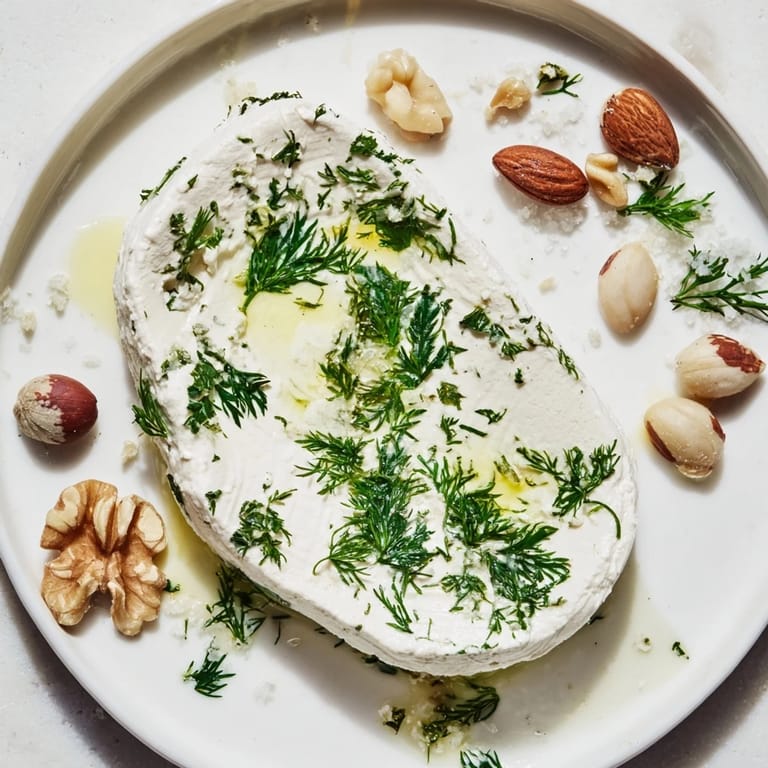
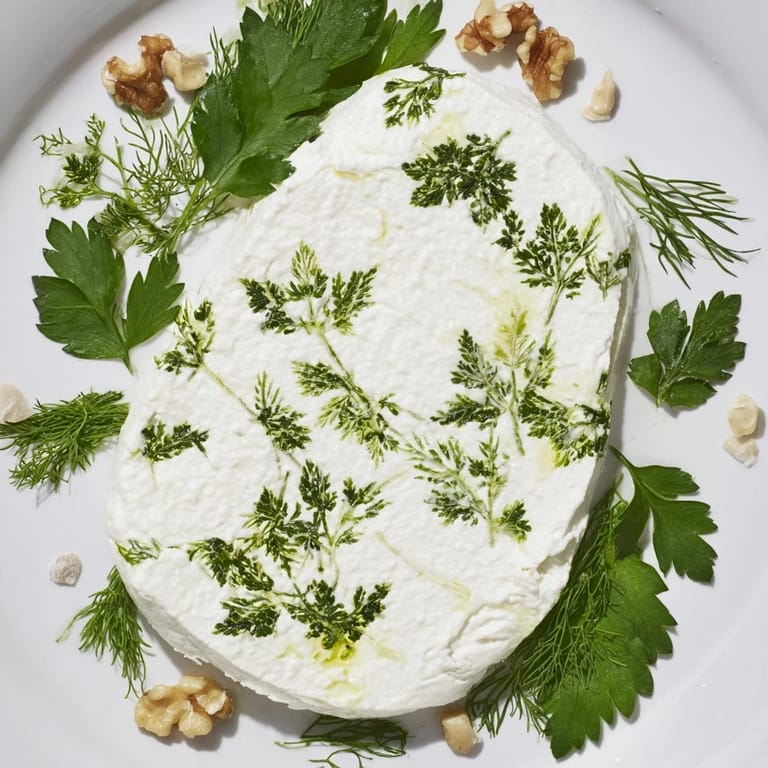
- Fresh herbs (1 small bunch): Parsley leaves leave crisp lines, dill fronds create feathery patterns, cilantro makes delicate swirls, and chervil looks almost prehistoric in its intricacy. Mix them for visual chaos that feels intentional.
- Olive oil (1 tbsp, optional): A light brush adds sheen and keeps the surface from drying out, especially if your kitchen runs warm.
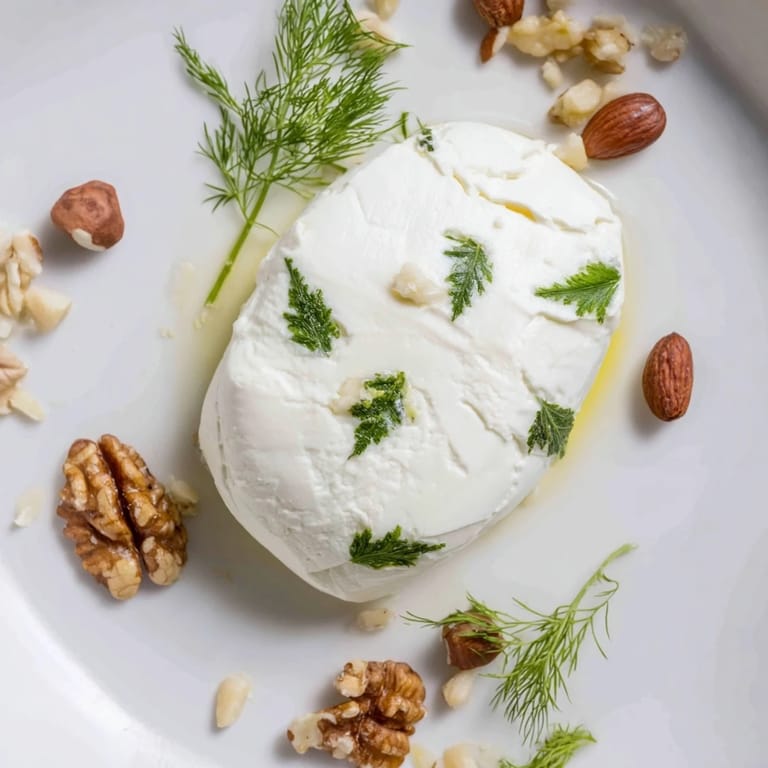
- Assorted nuts (100 g / 3.5 oz): Walnuts bring depth, pecans add buttery warmth, almonds stay elegant, and hazelnuts ground everything with earthiness. In-shell nuts sell the fossil bed aesthetic harder than anything else.
- Sea salt (½ tsp, optional): A sparse sprinkle catches light and adds just enough mineral taste to cut through the cheese richness.
Tired of Takeout? 🥡
Get 10 meals you can make faster than delivery arrives. Seriously.
One email. No spam. Unsubscribe anytime.
Instructions
- Prepare Your Canvas:
- Line a small tray or plate with parchment paper so your finished fossil comes free without struggle. This small step saves frustration.
- Shape the Cheese Base:
- Spread soft cheese about 2 cm (3/4 inch) thick into a rough oval or round shape, smoothing the top with a spatula until it feels intentionally organic, not fussy. Let your hands lead rather than your eyes.
- Press the Fossils:
- Gently press fresh herb sprigs, leaves, or fronds into the cheese surface with steady, patient pressure, then lift away slowly to reveal the imprint. Each herb type leaves its own distinct ghost, and the surprise never diminishes.
- Add Shine (If You Like):
- Lightly brush the cheese surface with olive oil to catch the light and prevent a chalky surface. This step is truly optional but always worth it.
- Build the Landscape:
- Arrange cracked nuts around the cheese foundation, scattering some shell fragments casually to build that ancient dig site feeling. Let it look found, not arranged.
- Season and Serve:
- Sprinkle with sea salt if you want the savory punctuation, then serve immediately with crackers or fresh bread, or refrigerate until people arrive. Cold cheese holds impressions sharper than room temperature cheese.
 Save
Save The moment someone picked up a nut and said, "Wait, is this actually real cheese?" reminded me that the best appetizers aren't just about taste—they're about that pause, that moment when people step outside automatic eating and actually look at what's in front of them. That's when food becomes a conversation starter instead of just fuel.
Flavor Pairings That Actually Work
Honey drizzled over the top brings warmth against the cool cheese and salty nuts, creating a sweet-savory play that feels almost luxurious. Fruit preserves work too, especially raspberry or fig, though use restraint—this is an appetizer, not a dessert confused about its identity. The nuttiness of the mix itself already hints at sweetness, so you're just amplifying a flavor that's already whispering there.
Wines and Drinks
Crisp whites like Sauvignon Blanc cut through cheese richness without overwhelming the delicate herb impressions you worked so carefully to create. A light rosé works beautifully in warm months, and even sparkling wine adds festive energy without fussing. If you're not pouring wine, chill some sparkling water with a slice of lemon—the acidity serves the same purpose.
Small Adjustments for Different Moods
Use edible flowers instead of just herbs if you want to signal that this is intentionally fancy without actually spending more effort. A plant-based soft cheese works identically if dairy isn't on the menu, pressing just as easily and holding impressions just as cleanly. The beauty of this recipe lives in the idea, not any single ingredient, so adapt freely without guilt.
- Crack nuts by hand with a light hammer for an authentic, imperfect scatter that feels found rather than purchased.
- Press different herbs into different sections to create a varied fossil landscape that tells its own small story.
- Keep the whole thing cold until the moment you serve it so cheese stays firm and herb impressions stay sharp.
 Save
Save This recipe teaches a quiet lesson: the best moments in cooking aren't about technique or ingredients, they're about taking something simple and noticing it enough to make it matter. Serve this and watch people slow down.
Recipe FAQs
- → What types of cheese work best for this dish?
Soft cheeses like goat cheese, cream cheese, or ricotta provide a creamy texture and smooth surface ideal for herb imprints.
- → How do I create the herb imprints effectively?
Press fresh herb sprigs gently but firmly into the cheese surface, then carefully lift to leave detailed patterns resembling fossils.
- → Can I substitute the nuts used in this dish?
Yes, assorted nuts like walnuts, pecans, almonds, or hazelnuts work well, preferably cracked to enhance texture and presentation.
- → Is brushing the cheese with olive oil necessary?
Brushing with olive oil is optional but adds a subtle sheen and helps the imprints stand out more vividly.
- → How should this dish be served?
Serve immediately with crackers or fresh bread, or refrigerate briefly before serving to maintain freshness.
- → Are there variations to customize this dish?
You can substitute edible flowers for herbs or use plant-based soft cheese for a vegan-friendly version.