 Save
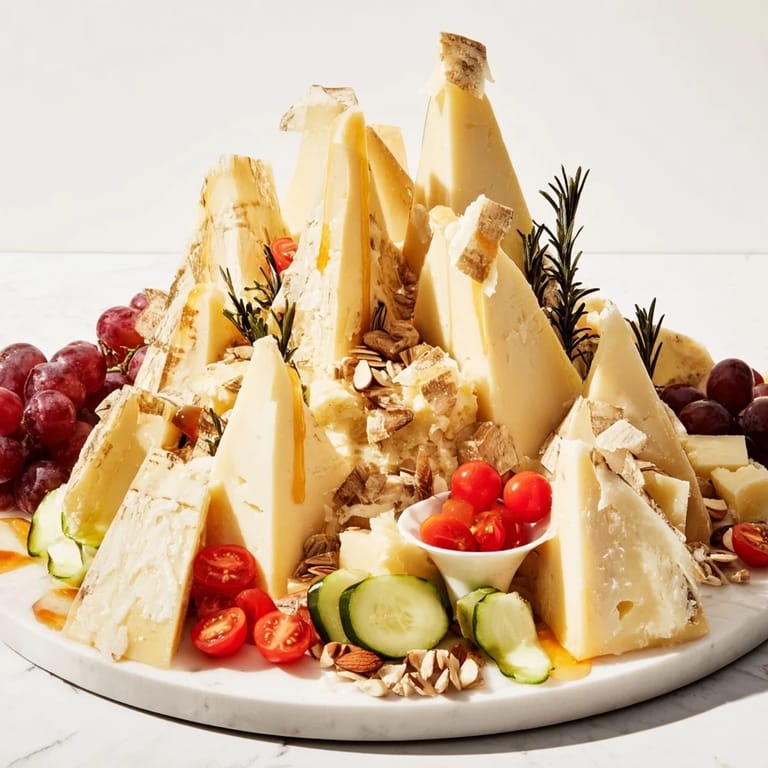
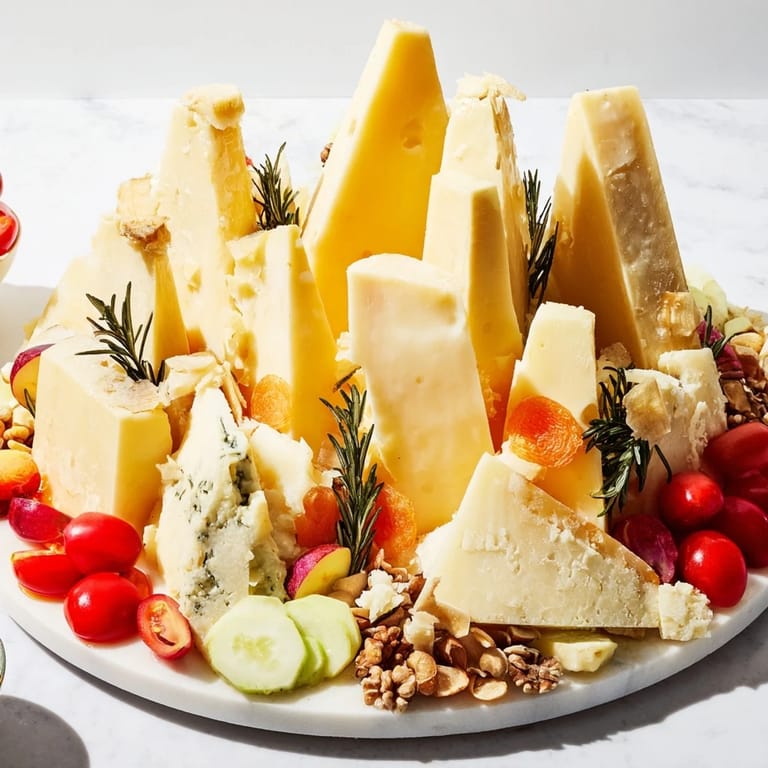
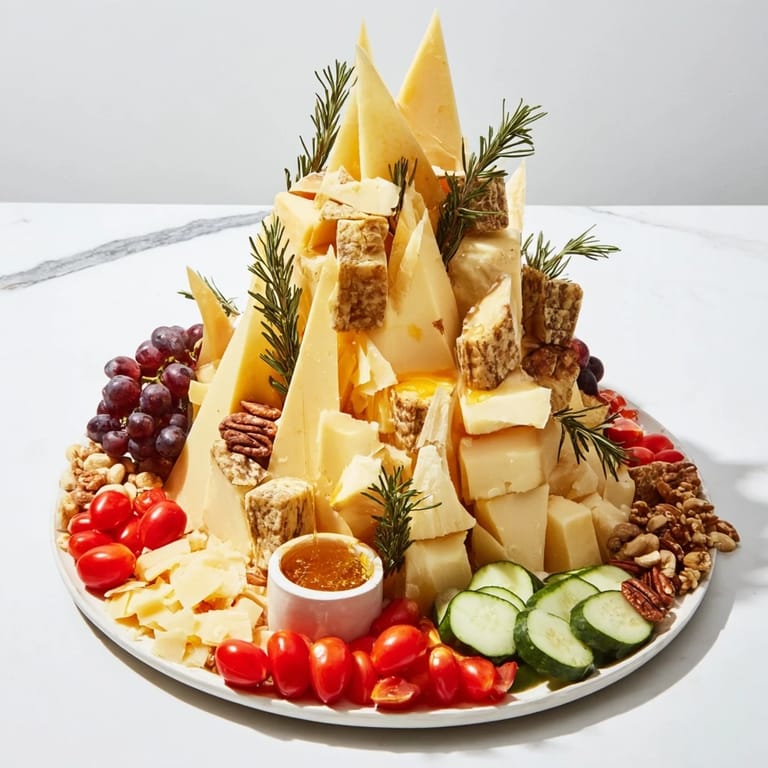
Save I'll never forget the first time I arranged a proper cheese board—it was for a dinner party where I wanted to impress friends who actually knew their Manchego from their Parmigiano. Instead of the flat, boring platter I'd seen a hundred times, I decided to build something sculptural, something that would make people gasp when they walked in. That night, stacking hard cheeses like mountain peaks with soft wedges nestled at their base, drizzling honey across the peaks like morning mist, I realized this wasn't just appetizer prep—it was edible landscape design. Everyone approached that board like explorers, and suddenly cheese became theatrical.
I made this for my sister's engagement party last spring, and it became the most photographed thing at the whole event—more than the ring, more than the cake. People were arranging and rearranging, finding new flavor pairings they never would have discovered on a flat board. That's when I knew I was onto something that turned humble ingredients into an experience.
Ingredients
- Aged Manchego (150g), cut into tall irregular chunks: This Spanish cheese is your first mountain peak—it's nutty and complex enough to anchor the whole landscape. Cut it into uneven pieces; the jagged edges catch light and look more dramatic.
- Parmigiano-Reggiano (150g), broken into rugged shards: This one's for texture and visual interest. Don't slice it neatly; let it break naturally so you get those crystalline edges that sparkle on the board.
- Aged Cheddar (150g), sliced into tall triangles: The warm color balances the landscape. Keep these standing upright like actual peaks—the height is what makes people stop and stare.
- Brie (100g), cut into thick wedges: These are your rolling hills. The creamy contrast to hard cheeses creates visual and flavor balance.
- Gorgonzola (100g), broken into rustic pieces: The blue veining adds visual drama and a bold flavor that keeps the board interesting.
- Red grapes (1 cup), halved: These fill valleys with color and provide palate-cleansing sweetness between cheese bites.
- Cherry tomatoes (1 cup), halved: Fresh acidity that prevents cheese fatigue. Halving them keeps them from rolling everywhere.
- Cucumber (1 small), sliced into rounds: Cool, refreshing, and creates circular patterns that echo the topography theme.
- Apple (1 small), thinly sliced: The natural sweetness and slight tartness bridge the gap between savory cheese and sweet dried fruit.
- Dried apricots (1/2 cup): These add jewel-like color and concentrated sweetness. Nestle them in low spots like hidden treasures.
- Roasted almonds (1/2 cup): These crunch differently than walnuts and add visual texture variation scattered across the landscape.
- Walnuts (1/2 cup): Earthy and substantial, they look like actual boulders when scattered intentionally.
- Thin baguette slices (12): Stand these upright along edges like pathways. Toast them lightly if you prefer them sturdy.
- Assorted crackers (12): Mix shapes and colors—these become the plateaus and clearings on your edible landscape.
- Honey (2 tbsp): Drizzle it strategically over harder cheeses where it pools like morning mist, creating both visual beauty and a sweet-savory contrast.
- Fresh rosemary sprigs: These aren't just garnish—they reference an actual forest and add a subtle herbal note when people brush against them reaching for cheese.
Tired of Takeout? 🥡
Get 10 meals you can make faster than delivery arrives. Seriously.
One email. No spam. Unsubscribe anytime.
Instructions
- Prepare your canvas:
- Clear a large wooden board completely and position it where you'll be serving. Wood is essential here—it gives the whole arrangement warmth and authenticity that ceramic or slate can't match. Step back and visualize your landscape before placing anything.
- Build your mountains:
- Stand your tallest, most dramatic cheese chunks vertically in the center or as focal points across the board. This is where Parmigiano shards become peaks, and tall Manchego wedges create elevation. Lean them against each other slightly for stability and visual drama. These aren't meant to be symmetrical—actual mountains aren't.
- Add your hills:
- Arrange Brie wedges and Gorgonzola pieces around the base of your cheese mountains, clustering them where they naturally want to rest. They should look casual, like they rolled down slightly from the peaks above. This creates visual depth.
- Fill the valleys:
- Now comes the meditative part. Nestle grapes, cherry tomato halves, cucumber rounds, apple slices, and apricots into the lower areas and spaces between cheeses. Think of these as water channels and flower-filled meadows. Leave some breathing room—cramming it all in destroys the landscape feeling.
- Scatter texture boulders:
- Distribute roasted almonds and walnuts across different elevations. Some should cluster together like boulder fields; others sit alone on the higher points. This randomness feels natural and invites discovery.
- Create pathways:
- Lean baguette slices upright around the perimeter and tuck assorted crackers into flat areas, creating the sense of clearings and paths that invite exploration. These should feel deliberately placed but not rigid.
- Add the finishing elements:
- Drizzle honey in thin streams across the harder cheeses—it should pool and catch light rather than disappear into coverage. Tuck fresh rosemary sprigs between elements as if they're growing there naturally. Step back and look at the whole landscape before serving.
- Invite exploration:
- Serve immediately while all elements are fresh and at their best. Encourage guests to build unusual combinations—that's the whole point. Put small cheese knives nearby, but let people wander through your edible landscape with intention and curiosity.
 Save
Save That engagement party taught me that when you serve food this way, you're not just feeding people—you're giving them permission to slow down and play with their food like kids at a sandbox. The cheese board became the heartbeat of the whole evening, and I watched strangers bond over the most unexpected flavor combinations they'd discovered while navigating my sculpted landscape.
The Art of Vertical Arrangement
The magic of this board lives in its three-dimensionality. Most cheese boards are flat because nobody thinks to stand things up, but the moment you angle a wedge of Manchego or lean shards of Parmigiano against each other, the whole arrangement comes alive. It catches light differently, creates actual shadows, and makes the act of serving feel less like appetizer prep and more like theatrical direction. Your guests will approach it differently—with intention instead of just grabbing a handful of crackers and moving on.
Building Flavor Pathways
Think about how people naturally navigate this board and design flavor sequences into that journey. If someone starts at an almond, they might follow it with a slice of apple, then discover a piece of Brie that all three elements were leading toward. You're not just arranging ingredients; you're choreographing flavor discovery. The honey becomes the destination reward at the peak, and the bright acidity of tomatoes and cucumber becomes the palate reset before moving into harder, more intense cheeses.
Seasonal Variations and Personal Touch
Winter calls for grapes and dried apricots, but in autumn, swap those apricots for dried figs and add roasted hazelnuts instead of almonds. Spring is your moment to add fresh edible flowers—nasturtiums and pansies work beautifully scattered across the landscape. Summer means stone fruits like fresh figs and peaches become your accent ingredients. The core landscape stays the same, but each season gets its own personality, and people start requesting this board during their favorite time of year.
- Don't overthink the cheese selections—use what your local cheesemonger recommends and what appeals to you; the topography is what matters, not the specific varieties
- If you're feeding a crowd larger than six, expand the board bigger rather than making it denser; space and elevation create the magic, not volume
- Keep a kitchen towel nearby while serving so you can gently wipe honey residue from a knife between cuts; it's the small touches that make this feel intentional rather than chaotic
 Save
Save This isn't fancy French technique or molecular gastronomy—it's permission to think of food as landscape and landscape as food. Every time someone builds a flavor combination by following a path you created, you're not just feeding them; you're teaching them to pay attention.
Recipe FAQs
- → What types of cheeses work best for the mountain peaks?
Hard cheeses like aged Manchego, Parmigiano-Reggiano, and aged Cheddar hold tall shapes well, creating dramatic peak structures.
- → How can I add texture variety to the board?
Incorporate crunchy nuts such as roasted almonds and walnuts, along with crisp breads and crackers to provide contrast to softer cheeses and fruits.
- → What fruits complement the cheese landscape?
Red grapes, cherry tomatoes, cucumber slices, apple, and dried apricots bring freshness, sweetness, and acidity that balance rich cheeses.
- → How can I enhance the visual appeal?
Arrange ingredients in levels to simulate mountains, hills, and valleys, and add honey drizzles and fresh rosemary for natural accents.
- → Can this be adapted for non-vegetarian diets?
Yes, adding cured meats alongside the cheeses expands flavor options for non-vegetarian guests.