 Save
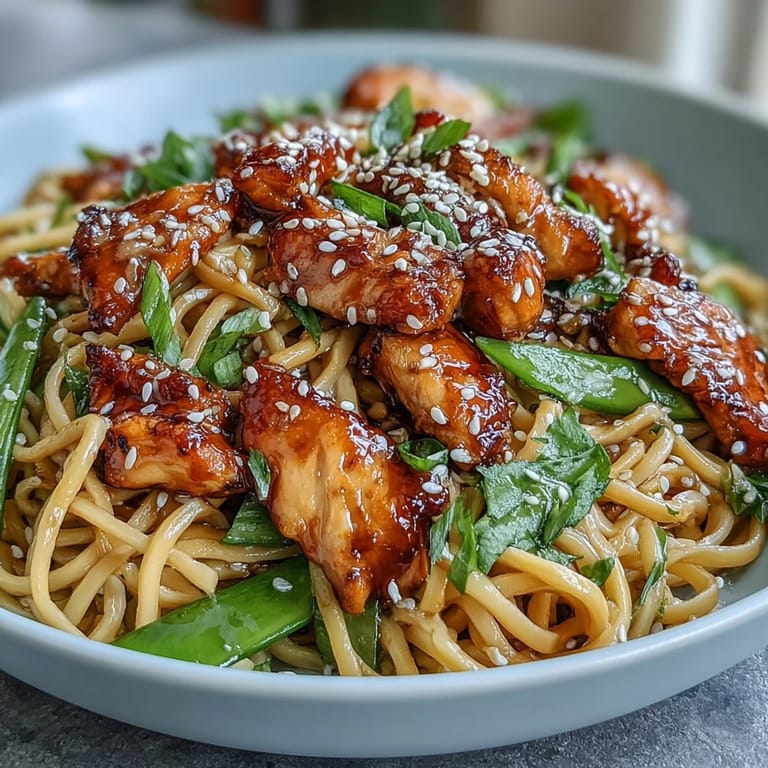
Save On a Tuesday evening when the fridge looked bare and takeout felt too easy, I threw together what became our most requested weeknight meal. The scent of toasted sesame oil hitting the hot pan still makes my stomach rumble before I even start cooking. What started as a pantry rescue turned into a family ritual, the kind of dish that makes everyone quiet down once the bowls hit the table. The balance of sweet brown sugar and sharp ginger creates this glaze that clings to every noodle and vegetable. It's proof that comfort food doesn't need hours or complicated technique.
I made this for a friend recovering from a cold, doubling the ginger and adding extra spring onions for brightness. She called it healing in a bowl, and I've never found a better description. The way the noodles soak up that glossy sauce while the vegetables stay snappy gives you different textures in every bite. It became my go to when someone needs feeding but doesn't want anything heavy. There's something generous about a bowl this colorful and aromatic showing up at your door.
Ingredients
- Boneless, skinless chicken breast or thighs (500 g): Thighs stay juicier and more forgiving if you overcook slightly, but breasts work beautifully if sliced thin against the grain.
- Dried udon, soba, or rice noodles (250 g): Each noodle type brings its own chew, udon is thick and slippery, soba has an earthy bite, rice noodles turn silky and delicate.
- Red bell pepper (1, thinly sliced): Adds sweetness and a pop of color that makes the bowl look as vibrant as it tastes.
- Carrot (1 medium, julienned): Julienned carrots cook faster and integrate better than chunks, plus they look more elegant tangled with noodles.
- Sugar snap peas (100 g, trimmed): These bring the crunch and a hint of springtime freshness, don't skip them or the texture falls flat.
- Spring onions (2, sliced): Use both white and green parts, the whites go in with the sauce for sharpness, the greens at the end for color.
- Low sodium soy sauce (60 ml): Low sodium lets you control the salt level, regular soy sauce can make the dish too intense and mask the ginger.
- Brown sugar (2 tbsp): This is what creates the glaze and balances the salty soy, light or dark brown both work but dark adds a hint of molasses.
- Toasted sesame oil (1 tbsp): A little goes a long way, this is the aromatic backbone that makes the whole kitchen smell like your favorite noodle shop.
- Rice vinegar (1 tbsp): Cuts through the richness and keeps the sauce from feeling heavy, white vinegar is too sharp so don't substitute.
- Fresh ginger (2 tsp, grated): Fresh ginger is non negotiable here, the powdered stuff won't give you that bright, zingy warmth.
- Garlic (2 cloves, minced): Adds depth and a slight pungency that rounds out the ginger without overpowering it.
- Cornstarch (1 tsp, optional): Mix it into the sauce if you want that glossy, restaurant style coating that clings to everything.
- Toasted sesame seeds (2 tbsp): Toast them yourself in a dry pan for a minute, the nutty aroma is worth the extra step.
- Fresh coriander or cilantro (chopped): Brightens the whole bowl and adds a fresh herbal note right before serving.
- Lime wedges (optional): A squeeze at the table adds acidity and lets everyone customize their bowl to taste.
Tired of Takeout? 🥡
Get 10 meals you can make faster than delivery arrives. Seriously.
One email. No spam. Unsubscribe anytime.
Instructions
- Prepare the noodles:
- Cook your noodles in boiling water following the package timing, then drain and rinse them under cold running water to stop the cooking and prevent clumping. Set them aside while you handle everything else.
- Mix the sauce:
- In a small bowl, whisk together the soy sauce, brown sugar, sesame oil, rice vinegar, grated ginger, minced garlic, and cornstarch if you're using it. The cornstarch will thicken things up beautifully once it hits the heat.
- Cook the chicken:
- Heat a large skillet or wok over medium high heat with a splash of neutral oil, then add the sliced chicken in a single layer. Let it sear without moving it for a minute or two until golden, then stir and cook until no pink remains, about four to five minutes total, then remove and set aside.
- Stir fry the vegetables:
- Add a little more oil to the same pan if it looks dry, then toss in the bell pepper, carrot, and snap peas. Stir fry for two to three minutes until they're just tender but still have a good crunch.
- Combine and glaze:
- Return the cooked chicken to the pan with the vegetables, pour in your prepared sauce, and toss everything together. Let it simmer for a minute or two until the sauce thickens and coats everything with a glossy sheen.
- Add noodles and finish:
- Toss in the cooked noodles and sliced spring onions, stirring gently to coat everything evenly and warm the noodles through. The noodles will soak up some of the sauce and become incredibly flavorful.
- Serve and garnish:
- Divide the noodle mixture among four bowls, then sprinkle each with toasted sesame seeds and fresh coriander. Set out lime wedges on the side so everyone can add a squeeze if they like.
 Save
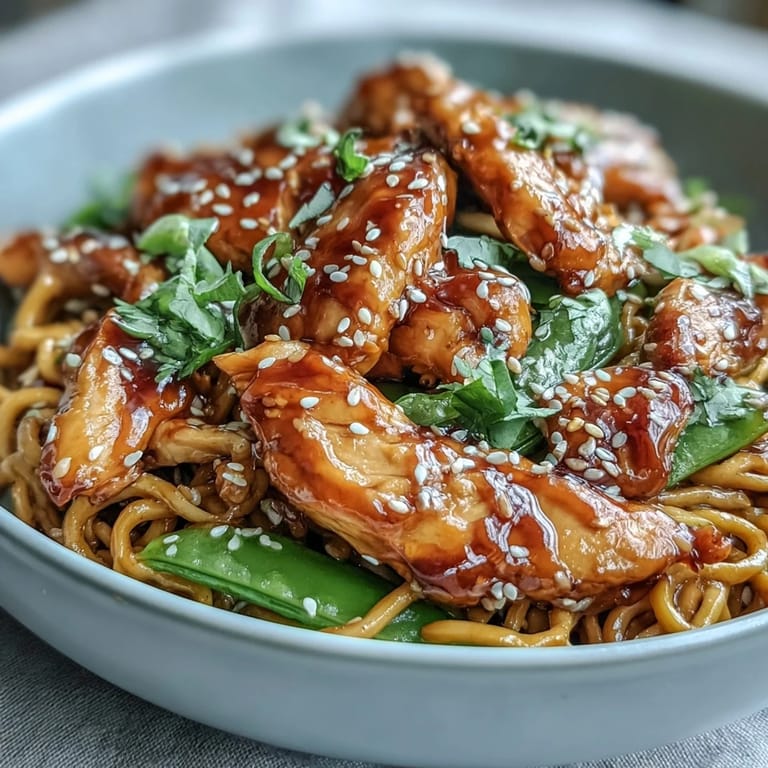
Save The first time I served this to my partner's parents, his mom asked for the recipe before she even finished her bowl. It's become the dish I make when I want to impress without the stress, the kind of meal that looks complicated but comes together faster than ordering delivery. Watching people twirl noodles and vegetables together, chasing down those last sesame seeds at the bottom, never gets old. Food that makes people happy and keeps them coming back is the only kind of cooking worth doing.
Making It Your Own
This bowl is a template more than a strict rule, and it thrives on improvisation. Swap the chicken for thinly sliced tofu or even shrimp if that's what you have on hand. Broccoli florets, sliced mushrooms, or shredded cabbage all work beautifully in place of or alongside the listed vegetables. If you like heat, stir in chili flakes or a drizzle of sriracha right into the sauce before you pour it in. The core formula of noodles, protein, crisp vegetables, and that sweet savory glaze stays the same no matter what you change.
Storing and Reheating
Leftovers keep well in an airtight container in the fridge for up to three days, and they reheat beautifully in a hot skillet with a splash of water to loosen the sauce. The microwave works in a pinch, but the skillet brings back that just cooked texture and keeps the vegetables from going limp. I've even eaten this cold straight from the fridge as a quick lunch, and it's surprisingly good that way too. The flavors deepen as they sit, so day two often tastes even better than day one.
Pairing and Serving Suggestions
This bowl is filling enough to stand alone, but a simple cucumber salad with rice vinegar on the side adds a cool, crisp contrast. A light, crisp white wine like Sauvignon Blanc cuts through the richness and complements the ginger and sesame beautifully. If you're serving a crowd, set out small bowls of extra sesame seeds, chili oil, and lime wedges so everyone can customize their bowl to taste.
- Serve with a side of steamed edamame sprinkled with sea salt for extra protein and a fun finger food element.
- A pot of hot green tea or iced jasmine tea makes a perfect beverage pairing that doesn't compete with the bold flavors.
- Leftovers can be turned into a cold noodle salad by tossing with extra rice vinegar and fresh herbs the next day.
 Save
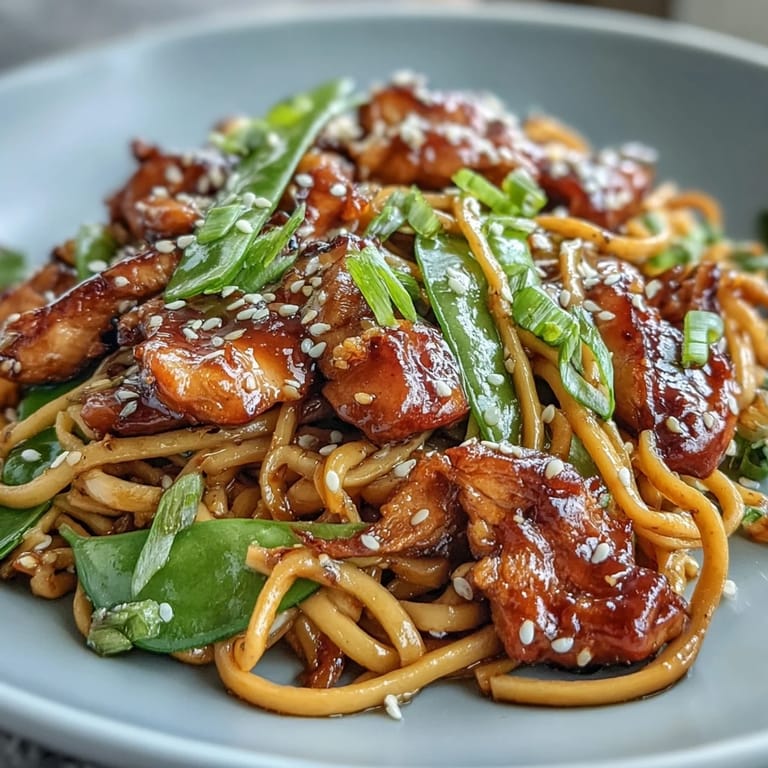
Save This is the kind of recipe that grows with you, adapting to whatever's in season or whatever needs using up in the crisper drawer. It's forgiving, fast, and never fails to deliver that satisfying mix of sweet, savory, and just a little bit indulgent.
Recipe FAQs
- → Can I make this dish vegetarian?
Yes, simply substitute the chicken with firm tofu. Press and cube the tofu before cooking, then follow the same instructions for browning and combining with the sauce and vegetables.
- → Which noodles work best for this bowl?
Udon noodles provide a thick, chewy texture that holds the sauce well. Soba offers a nutty flavor, while rice noodles create a lighter gluten-free option. Choose based on your texture preference and dietary needs.
- → How can I adjust the sauce flavor?
Increase brown sugar for a sweeter profile, or reduce it for a more savory dish. Add chili flakes or sriracha for heat. Extra rice vinegar will brighten the flavors, while additional sesame oil intensifies the nutty notes.
- → What vegetables can I add or substitute?
Broccoli florets, sliced mushrooms, baby corn, or bok choy make excellent additions. You can also substitute snap peas with snow peas or green beans. Use whatever crisp vegetables you enjoy or have available.
- → Is this dish gluten-free?
The standard version contains gluten from soy sauce and most noodles. To make it gluten-free, use tamari instead of soy sauce and choose certified gluten-free rice noodles. Always check ingredient labels for hidden gluten sources.
- → Can I prepare this ahead of time?
Cook noodles and prepare the sauce up to a day in advance. Store them separately in the refrigerator. When ready to serve, reheat the noodles with a splash of water, then proceed with cooking the chicken and vegetables for the freshest texture.