 Save
Save I discovered this dish on a rainy afternoon while flipping through travel blogs, each one showcasing a different corner of the world's kitchen. The idea struck me suddenly—why choose between Mediterranean, Asian, and Middle Eastern flavors when you could invite them all to the same plate? The first time I made it, my kitchen filled with three distinct aromas at once: the warm oregano from one pan, the toasted sesame from another, and the earthy cumin drifting from the third. It felt like traveling without leaving my stove, and everyone who tasted it immediately understood the magic of bringing these cuisines together.
I remember serving this to friends who all had strong opinions about food—one swore by Mediterranean, another couldn't live without Asian cuisine, and a third always reached for Middle Eastern spices. Watching them lean over the platter, each discovering a cluster that felt personal to them, made me realize this dish does something special: it celebrates individuality while creating something intentionally shared. By the end of dinner, everyone had mixed flavors in ways I hadn't expected, and that felt like the truest success.
Ingredients
- Extra-virgin olive oil (3 tbsp total): Use a good quality oil you actually enjoy tasting—it's the backbone of two clusters and deserves respect.
- Eggplant (1 medium, diced): Cut it into roughly half-inch pieces so it softens without turning to mush; salting it briefly beforehand reduces excess moisture.
- Red bell pepper and zucchini: These cook faster than eggplant, so adding them after gives everything a fighting chance to finish together.
- Cherry tomatoes (1/2 cup, halved): They add brightness and burst when heated, releasing their sweet juice into the pan.
- Garlic and ginger (2 cloves and 1 tsp respectively): Mincing these fine ensures they distribute evenly and won't overpower any single bite.
- Sesame oil (1 tbsp): A little goes a long way—it's potent, nutty, and easy to overdo, so restrain yourself here.
- Shiitake mushrooms (1 cup, sliced): Their meaty texture grounds the Asian cluster and holds its own against bolder spices.
- Snap peas and julienned carrot: These stay crisp and add textural contrast, reminding you that not everything needs to be soft.
- Soy sauce or tamari (1 tbsp): The umami anchor that ties the Asian cluster together; choose tamari if gluten matters to you.
- Chickpeas (1 cup, cooked): They provide protein and earthiness, absorbing the warming spices without disappearing into the background.
- Bulgur or quinoa (1/2 cup, cooked): Quinoa feels lighter and more delicate; bulgur is heartier and more traditional for this region.
- Warm spices (cumin, coriander, cinnamon): These three work together like a small family—none of them dominate, but together they create warmth and complexity.
- Fresh herbs (parsley, mint, cilantro): Add these at the very end to keep their brightness; cook them and you lose the whole point.
- Feta cheese (optional) and sesame seeds: Feta adds tang and creaminess; sesame seeds bring a quiet crunch that makes people pause and wonder what they're tasting.
Tired of Takeout? 🥡
Get 10 meals you can make faster than delivery arrives. Seriously.
One email. No spam. Unsubscribe anytime.
Instructions
- Gather and prep everything first:
- Before any heat touches a pan, cut and measure all your vegetables and have them lined up like soldiers. This matters because once things start cooking, there's no time to slice a carrot.
- Warm up three pans side by side:
- You'll want them all ready to go, so arrange them across your stovetop and give each a moment to heat properly. The confidence of three pans cooking simultaneously is worth the planning.
- Start the Mediterranean cluster with eggplant:
- Heat olive oil until it shimmers, then add your diced eggplant. Let it sit undisturbed for a moment so the edges turn golden and develop flavor, about three minutes. This initial caramelization is the difference between eggplant that tastes like itself and eggplant that tastes like cardboard.
- Add the supporting Mediterranean vegetables:
- Stir in the bell pepper, zucchini, cherry tomatoes, and garlic in one motion. Season generously with oregano, salt, and pepper, then let the pan do its work for eight to ten minutes, stirring occasionally so nothing sticks. You'll know it's ready when the vegetables are tender but still hold their shape, and the kitchen smells like a Mediterranean afternoon.
- Toast the sesame oil and sear the mushrooms:
- In your second pan, let the sesame oil heat until it's fragrant and almost smoking—don't be shy here. Add the mushrooms and let them cook undisturbed for a couple minutes, developing a light brown crust that concentrates their earthy flavor.
- Build out the Asian cluster quickly:
- Add snap peas and carrots to the mushrooms, cooking for just two minutes so everything stays crisp-tender. Then introduce the soy sauce, ginger, and rice vinegar in a quick stir, letting them meld for another two to three minutes before pulling the pan off heat. The acidity should sing through the umami, making your mouth water.
- Soften the red onion for the Middle Eastern foundation:
- In your third pan with olive oil, slice the onion thin and cook gently until it softens and turns translucent, about three minutes. This becomes the sweet base everything else builds on.
- Layer in the chickpeas and grains:
- Add the cooked chickpeas, bulgur or quinoa, cumin, coriander, and cinnamon, stirring everything to coat evenly. Cook for about five minutes, letting the spices warm and bloom, infusing every legume and grain. The cinnamon should whisper rather than shout.
- Finish the Middle Eastern cluster with brightness:
- Remove from heat, scatter the fresh parsley over the top, squeeze lemon juice across everything, and taste carefully before seasoning. Lemon juice can be tricky—add it a little at a time until it feels right.
- Plate with intention:
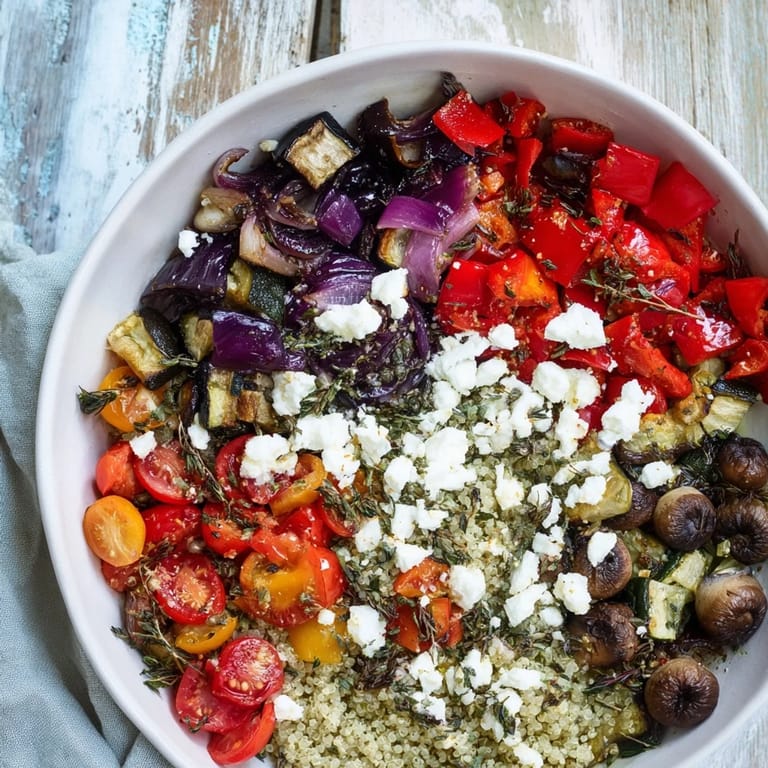
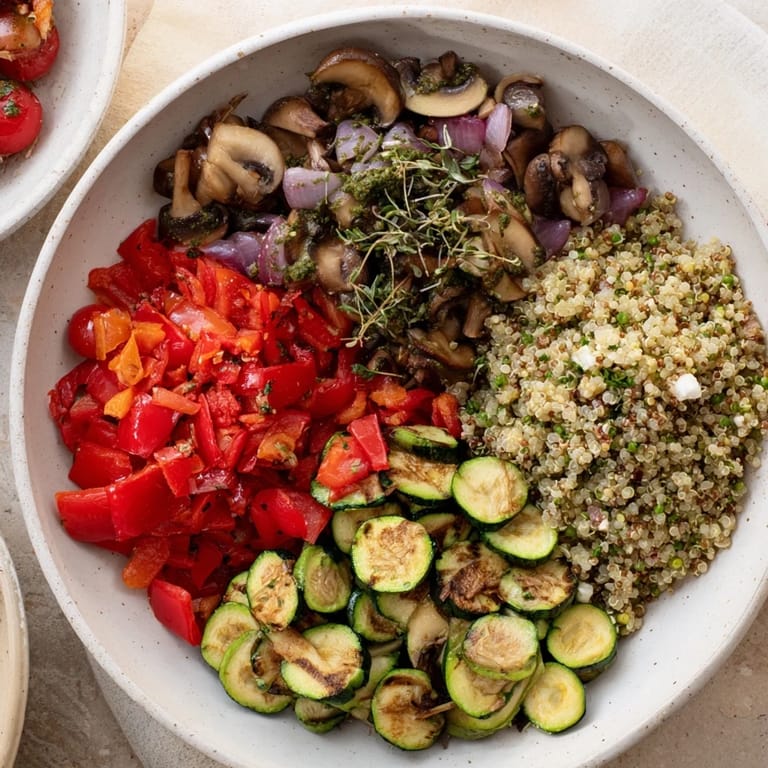
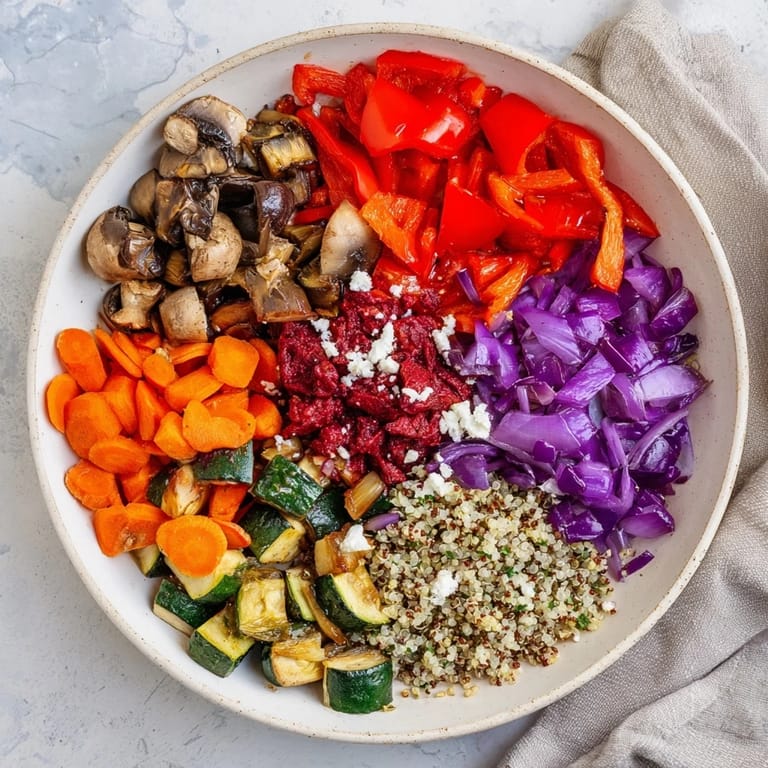
- Arrange all three clusters side by side on a large platter, or give each person their own plate with three distinct territories. Top with toasted sesame seeds, a crumble of feta if you're using it, and scattered mint or cilantro leaves.
- Invite people to mix and discover:
- Serve this warm, with the understanding that everyone will combine flavors differently. That's the whole point.
 Save
Save There was an evening when someone at my table pushed all three clusters together on their plate, creating a wild fusion that should never have worked but somehow did. Watching them take a bite and smile without words, I understood that this dish isn't really about following regions—it's about permission. Permission to explore, to mix, to make something entirely your own.
The Beauty of Cooking in Clusters
There's something liberating about this structure because it removes the pressure of perfect timing. Instead of watching the clock and orchestrating one complicated pan, you're tending three simple ones, each moving at its own pace. One cluster might finish first, and that's fine—they all taste better warm than scalding anyway. The Mediterranean vegetables actually benefit from sitting for a few minutes because their flavors marry and deepen. The Asian pan is happiest when served fairly quickly, its crispness still intact. The Middle Eastern mixture is forgiving and patient, happy to wait because its warm spices only improve as it cools slightly. This staggered approach feels less like cooking and more like managing three small conversations happening at once, each with its own rhythm and voice.
Building Flavor Layers
Every cluster works on a different principle of flavor building, which is what makes this dish so educational if you pay attention. The Mediterranean cluster relies on the holy trinity of olive oil, garlic, and oregano—a foundation so ancient and proven that it needs nothing fancy to shine. The Asian cluster leans on contrast: umami depth from sesame oil and soy sauce, brightness from ginger and rice vinegar, and textural pop from snap peas. The Middle Eastern cluster is built on warm spice layering, where cumin provides earthiness, coriander adds subtle citrus notes, and cinnamon brings unexpected sweetness. Once you understand how each region approaches the same question—how do we make vegetables memorable?—you start seeing these principles everywhere in global cuisine.
Making It Your Own
This recipe is a template, not a rulebook, which means you should feel free to swap vegetables based on seasons or what's in your crisper drawer. Summer calls for stone fruits or tomatoes; fall suggests roasted squash or Brussels sprouts. The spice profiles are flexible too—if you don't have coriander, use a touch more cumin; if sesame oil isn't in your pantry, finish the Asian cluster with a drizzle of regular olive oil instead. The core of this dish is the philosophy: choose three ingredients that represent three different flavor territories, build them independently, and let people decide how much of each world they want on their plate. That philosophy works with almost anything, once you understand how it functions.
- Swap vegetables freely, but keep the flavor profiles consistent—if you're replacing eggplant, choose something that responds well to olive oil and oregano.
- Add protein however you like: grilled chicken thighs for richness, crumbled tofu for subtlety, or lamb for another layer of warmth in the Middle Eastern cluster.
- Serve alongside flatbread, steamed rice, or even a simple grain like farro if you want something to hold the flavors together.
 Save
Save This dish reminds me that the best food isn't about perfection or complicated technique—it's about bringing different pieces of the world together and trusting people to find what resonates with them. Every time I make it, I learn something new about flavor, texture, or the small joy of feeding people exactly what they want to eat.
Recipe FAQs
- → What are the key flavor profiles in the dish?
The dish showcases layers of herbal, savory, and mildly spiced notes from Mediterranean oregano, Asian ginger and soy, and Middle Eastern cumin and cinnamon.
- → Can I substitute bulgur in the Middle Eastern cluster?
Yes, quinoa can be used as a gluten-free alternative while maintaining texture and nutritional value.
- → How long does preparation and cooking take?
Preparation takes about 30 minutes, with an additional 25 minutes of cooking, totaling approximately 55 minutes.
- → Are there vegan options available?
Omit the feta cheese and use tamari instead of soy sauce to keep the dish fully vegan.
- → What garnishes complement the clusters?
Crumbled feta, toasted sesame seeds, and fresh mint or cilantro leaves add flavor and texture contrasts to the dish.
- → What protein options can enhance the clusters?
Grilled chicken, tofu, or lamb can be added to any cluster to increase protein content and depth of flavor.