 Save
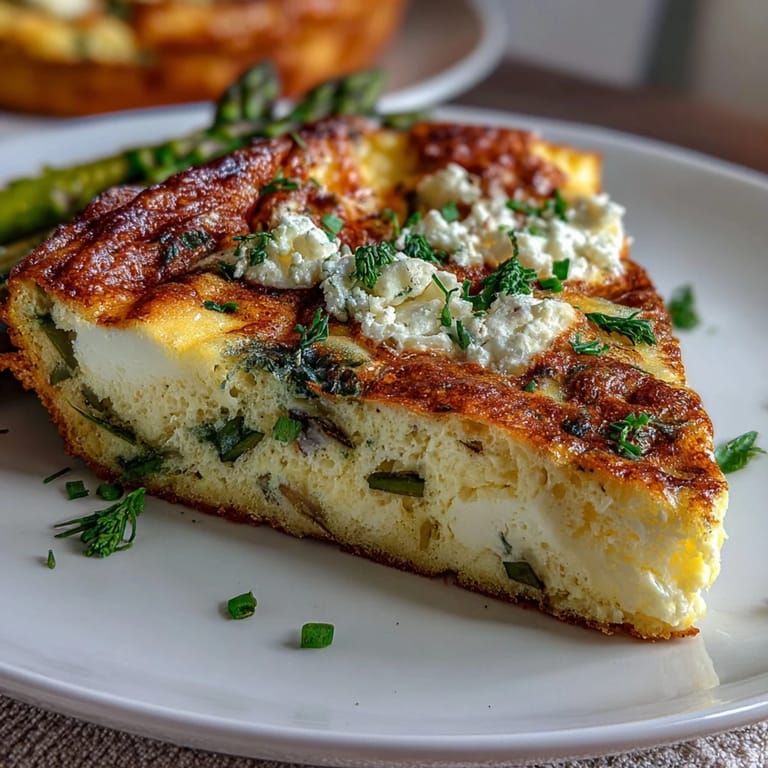
Save Last spring, my neighbor knocked on my door with a bundle of asparagus from her garden, still damp with morning dew, and asked if I knew what to do with it. I'd been craving something light but satisfying, so we decided right then to build a frittata together in my kitchen. What started as a casual collaboration turned into one of those perfect brunch moments—sunlight streaming through the windows, the smell of butter and fresh herbs filling the air, and the quiet satisfaction of pulling something golden and creamy from the oven.
I made this for a small Easter gathering once, and watching my friends dig in while we lingered at the table, forks clinking against plates, reminded me that frittata is one of those rare dishes that brings people together without any fuss. Someone asked for the recipe that day, and I realized how rare it is to find something both elegant and entirely unpretentious.
Ingredients
- Asparagus (about 200 g, cut into 2 cm pieces): Fresh asparagus is the star here, so choose spears that snap cleanly when bent—a sign they're tender and sweet, not woody and tired.
- Red onion (1 small, finely chopped): The gentle sharpness mellows as it softens, adding depth without overpowering the delicate vegetables.
- Baby spinach (1 cup or about 30 g, roughly chopped): It wilts down to almost nothing, so don't be shy—more greens mean more nutrition and no real impact on flavor.
- Eggs (6 large): Room temperature eggs whisk more smoothly and create a silkier custard than cold ones straight from the fridge.
- Whole milk (1/4 cup or 60 ml): This keeps the frittata tender and prevents it from becoming rubbery as it bakes.
- Goat cheese (100 g, crumbled): Tangy, creamy, and it stays soft even when baked—this is what transforms a simple egg dish into something special.
- Parmesan cheese (2 tbsp, grated): A sharp note that balances the richness and adds a hint of toasted nuttiness.
- Fresh chives and dill (2 tbsp chives, 1 tbsp dill optional): Chives bring a whisper of onion flavor, while dill adds something floral and distinctly spring-like.
- Salt, black pepper, red pepper flakes: Season generously—eggs need more salt than you might think to taste truly alive.
- Olive oil and butter (2 tbsp oil, 1 tbsp butter): The oil gets the vegetables going while the butter adds richness to the base and helps prevent sticking.
Tired of Takeout? 🥡
Get 10 meals you can make faster than delivery arrives. Seriously.
One email. No spam. Unsubscribe anytime.
Instructions
- Heat your oven and pan:
- Set your oven to 180°C (350°F) and let it warm fully—patience here prevents a frittata that's runny in the middle and overdone at the edges. An ovenproof skillet (nonstick or cast iron both work beautifully) is essential because you'll be moving it from stovetop to oven without hesitation.
- Start the vegetables:
- Heat olive oil over medium heat and sauté the red onion for 2 to 3 minutes until it becomes translucent and fragrant. This foundation matters more than you'd think—it's when the pan gets infused with flavor that'll carry through the entire dish.
- Build the vegetable base:
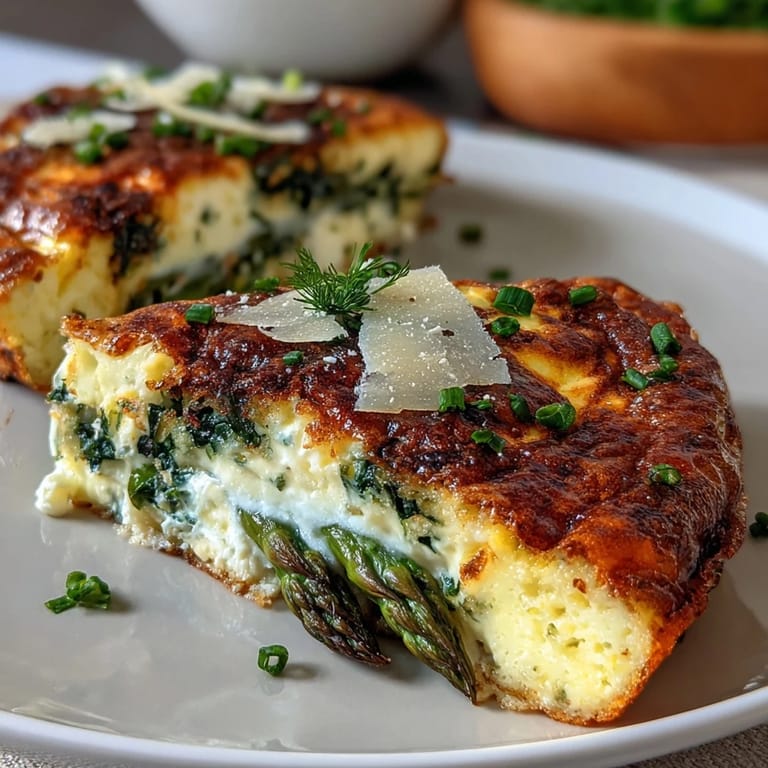
- Add asparagus and cook for 4 to 5 minutes, stirring occasionally, until the spears are just tender but still have a bit of character—not mushy and dull. Toss in the spinach last and let it wilt into the mix for about a minute.
- Prepare the egg custard:
- In a separate bowl, whisk together eggs, milk, salt, pepper, and half of the chives and dill until everything is well combined. This mixture should be smooth and pale, with no streaks of unbeaten egg white.
- Combine and cook on the stovetop:
- Lower the heat to medium-low, pour the egg mixture over the vegetables, and let it settle for a moment. Scatter goat cheese dollops across the top and sprinkle with Parmesan, then let it cook undisturbed for 4 to 5 minutes until the edges just begin to set while the center still jiggles slightly.
- Finish in the oven:
- Slide the skillet into your preheated oven and bake for 10 to 12 minutes until the center looks just barely set and the top is lightly golden—it should have the gentlest wobble in the very middle when you give the pan a tiny shake. The residual heat will continue cooking it as it rests, so don't overbake or you'll lose that silky texture.
- Rest and garnish:
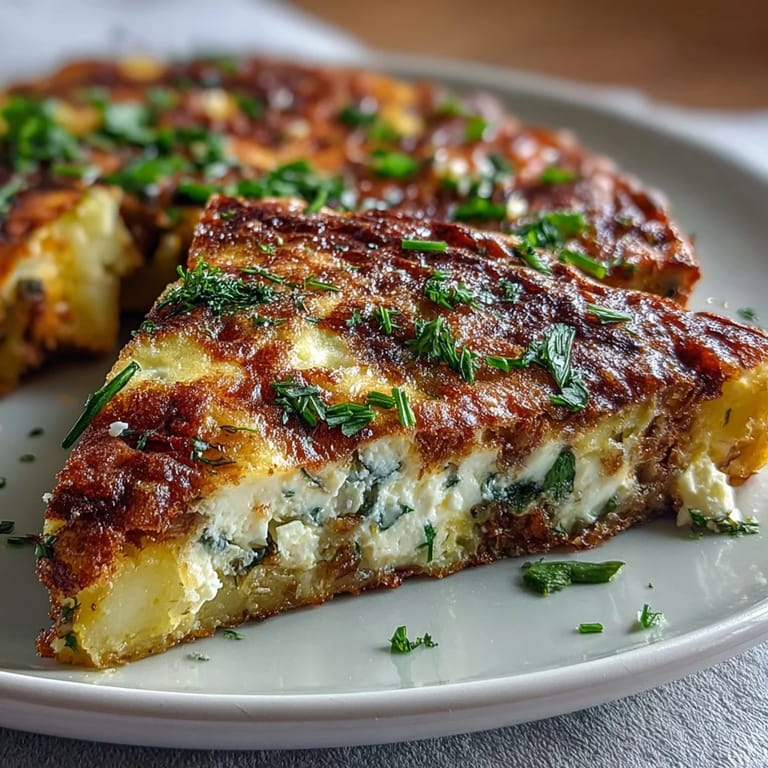
- Remove the frittata from the oven and let it sit for 5 minutes—this allows the structure to firm up just enough to slice cleanly. Scatter the remaining fresh herbs on top and a pinch of red pepper flakes if you'd like a subtle heat, then slice into wedges and serve warm or at room temperature.
 Save
Save There's something almost meditative about watching a frittata come together—the quiet bubbling on the stovetop, the creamy vegetables cushioned under egg, then that moment when you slide it into the oven and know everything will work out. It's the kind of dish that teaches you to trust the process.
Why Spring Vegetables Shine Here
Spring asparagus, fresh spinach, and young herbs carry a delicate flavor that gets lost if you cook them too aggressively. The frittata's gentle heat respects these ingredients instead of bullying them, allowing their natural sweetness and subtle earthiness to come through. This is why the vegetable choices matter so much—in late winter or deep fall, you might choose heartier options, but in spring, let the season guide you toward what's actually tender and worth celebrating.
The Role of Goat Cheese
Goat cheese does something magical in a frittata that other cheeses can't quite replicate—it stays creamy rather than becoming stringy or tough, and its subtle tang adds complexity without overwhelming the dish. I've tried feta, ricotta, and sharp cheddar in moments of experimentation, and while they all work, goat cheese creates the most elegant finish. It also softens beautifully as it bakes, creating little pockets of richness throughout rather than clumping together in one spot.
Serving and Storage Wisdom
This frittata is one of those rare dishes that tastes equally good warm from the oven, at room temperature an hour later, or even cold pulled straight from the refrigerator the next morning. Slice what you need, cover the rest loosely with foil or parchment, and it keeps beautifully for three days. The flavor actually deepens slightly as it sits, making it perfect for meal prep or unexpected guests who drop by hungry.
- Pair it with a simple green salad dressed in lemon vinaigrette to cut through the richness.
- Serve alongside crusty bread if you want something substantial, or keep it light with just fresh fruit and sparkling water.
- A crisp white wine or dry rosé becomes essential if you're serving this at brunch with friends.
 Save
Save There's a reason frittatas have graced Italian tables for generations—they're flexible, forgiving, and they taste like care even when they're simple. Once you make this once, you'll find yourself reaching for it again and again.
Recipe FAQs
- → Can I substitute goat cheese with another cheese?
Yes, feta or ricotta work well as alternatives to goat cheese, lending different textures and flavors.
- → What is the best way to cook asparagus for this dish?
Sauté the trimmed asparagus pieces with red onion until just tender to preserve their bright flavor and slight crunch.
- → How do I prevent the frittata from overcooking?
Cook gently on the stove until edges set, then finish in the oven just until the center firms and the top turns lightly golden.
- → Can I prepare this frittata ahead of time?
Yes, it can be baked ahead and enjoyed warm or at room temperature, making it a convenient option for gatherings.
- → What herbs enhance the flavor in this dish?
Fresh chives and dill add delicate, fresh notes that complement the creamy cheese and tender vegetables beautifully.