 Save
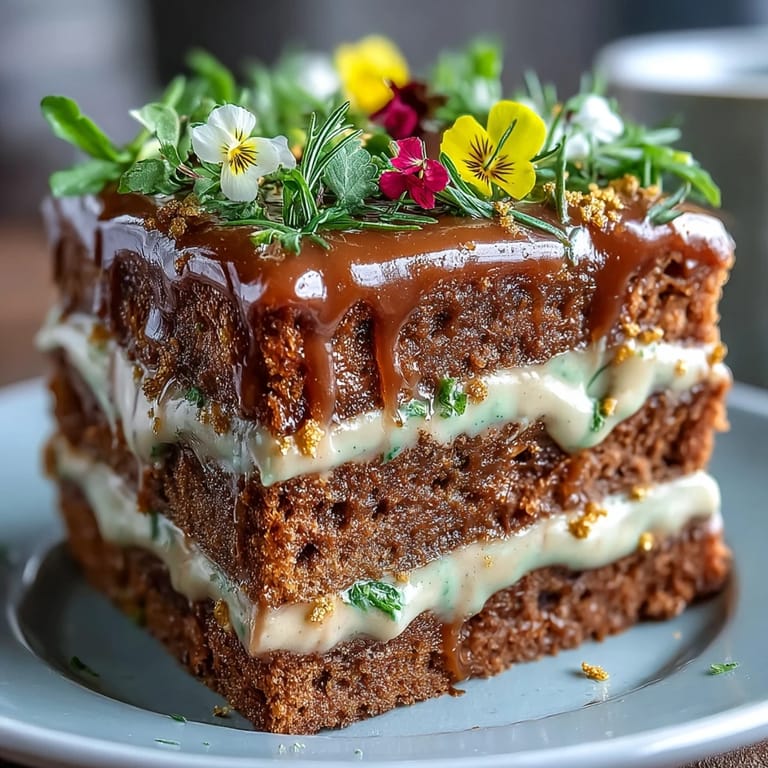
Save The first time I made this Taurus Cake, my kitchen was flooded with the scent of caramel and blooming herbs—a combination as grounding as a walk through a spring garden after rain. There was a gentle hum of anticipation as the butterscotch sauce simmered and my mind wandered, wondering if the earth-toned swirls would look as magical as I imagined. It turned out that baking this cake was less about precision and more about embracing the earthy, floral chaos of the moment. Even my old cat, lured by the sweet aromas, settled nearby to supervise. The end result felt less like a confection and more like an edible celebration of the steady Taurus spirit.
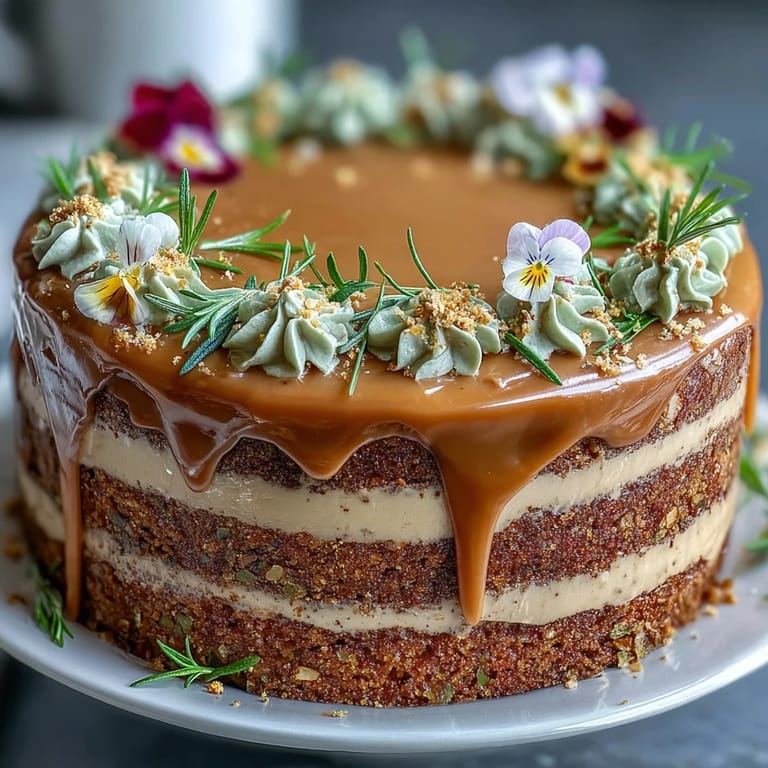
The last slice I served was at a Sunday gathering, my friends gathered around the table as pansies and sprigs of thyme perched delicately atop the frosting. One friend remarked that it felt like eating spring itself, and conversation turned to gardens and the eccentricity of zodiac birthdays. Someone attempted to guess the natural colorants just by taste, which led to a lot of laughter and some surprising guesses. Sharing this cake with others always feels ceremonious, even when forks clink and someone drops a crumb or two on the tablecloth. In those moments, I forget about perfect frosting technique and just enjoy the earthiness of good company.
Ingredients
- All-purpose flour: This is your structural backbone—sift it for extra lightness if you want a tender crumb.
- Baking powder & baking soda: I learned to double-check expiry dates after a sunken cake incident; freshness is key here for rise.
- Fine salt: Just enough to balance the sweetness, it's an unsung hero—don't skip it.
- Unsalted butter (for cake and sauce): Softened butter blends easily; I always leave it out an hour before starting.
- Brown sugar: Its molasses depth makes the cake cozy and rich—pack it firmly for full flavor.
- Eggs: Room temperature eggs whip up fluffier cakes, so submerge them in warm water if pressed for time.
- Vanilla extract: Adds warmth and rounds out the butterscotch notes—good vanilla is worth seeking out.
- Sour cream or plain yogurt: Lends moistness and tang; I've swapped between them without anyone noticing.
- Whole milk: For tender crumb without thinning out the batter—don't use skim here.
- Butterscotch sauce: Homemade is a game-changer; let it cool to room temp or it’ll melt your batter.
- Powdered sugar: Sifting really prevents lumps in your buttercream—it's worth the extra minute.
- Culinary rose water & lavender: Just a touch transforms the frosting into something dreamy; too much overpowers, so pour sparingly.
- Natural colorants (matcha, beet, cocoa, turmeric, spirulina): Start with less than you think—earthy hues don’t need much to shine.
- Edible flowers & herbs (for decorating): Always verify they’re safe and unsprayed; I gently rinse them before placing.
- Gold leaf or dust (optional): Adds a little constellation-magic; use tweezers if you want perfect placement.
Tired of Takeout? 🥡
Get 10 meals you can make faster than delivery arrives. Seriously.
One email. No spam. Unsubscribe anytime.
Instructions
- Prep the Pans & Oven:
- Crank up the oven to 350°F and grease three 8-inch pans, lining the bottoms with parchment; my favorite part is smoothing out that crinkly circle of paper.
- Simmer Butterscotch Sauce:
- Melt butter in a saucepan, then add brown sugar—listen for the gentle sizzle, letting it bubble for two minutes before pouring in cream and stirring until silky. You’ll want to dip a spoon in, but let it cool to room temperature first.
- Mix Dry Ingredients:
- Whisk together flour, baking powder, baking soda, and salt until no streaks remain—this really helps the cake bake evenly.
- Cream Butter & Sugar:
- Beat butter with brown sugar until it looks pale and fluffy; I often sneak a tiny taste here for quality control.
- Add Eggs & Vanilla:
- Drop in eggs one at a time, mixing well after each, then swirl in vanilla—the mixture gets glossy and golden.
- Combine Wet Ingredients:
- Fold in sour cream and cooled butterscotch sauce, then alternate flour mixture and milk, ending with flour; stop mixing as soon as it comes together.
- Bake the Cakes:
- Divide batter between pans, smoothing the tops. Bake 28 to 35 minutes, until the centers spring back and a skewer comes out clean—cool on racks, just ten minutes in the pans first.
- Whip the Floral Buttercream:
- Beat butter until nearly white, then add powdered sugar a cup at a time. Blend in milk for smoothness, then add rose water and lavender—divide and tint with natural colors as the mood strikes.
- Assemble the Layers:
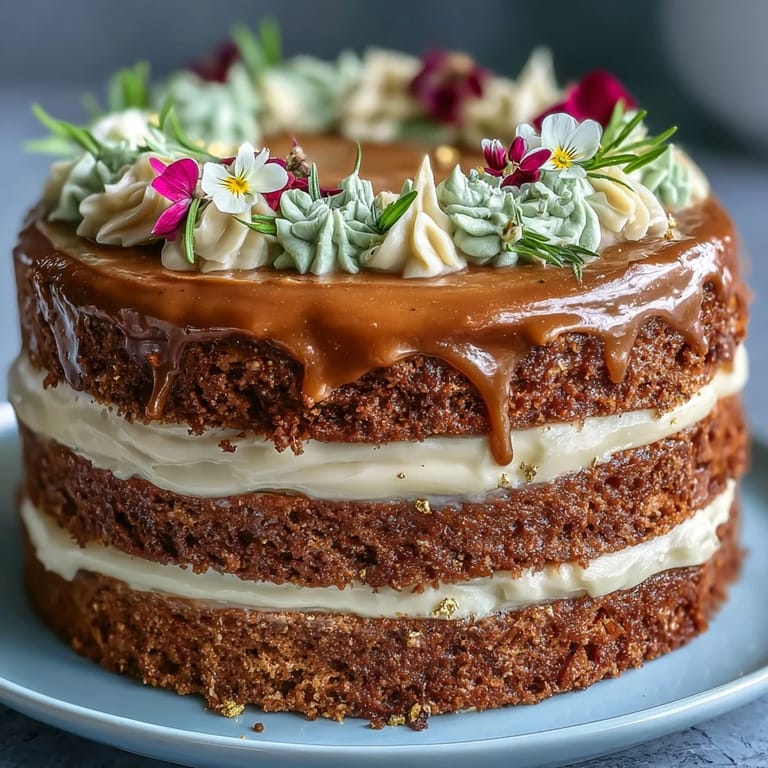
- Stack cakes with buttercream, swirling shades together for an earthy look. Give the outside a gentle finish and chill the cake for at least twenty minutes so it sets.
- Add Final Decorations:
- Top with edible flowers, herbs, and gold leaf if you’re feeling fancy—don’t overthink it, just arrange until it pleases you.
 Save
Save I remember slicing into the finished cake late in the afternoon, golden light catching the specks of flower petals and shimmering gold. At that moment, it felt like more than dessert—it was a centerpiece, a conversation, and a little dose of wonder shared with everyone at the table.
Choosing and Using Edible Flowers
Picking the right flowers is surprisingly fun—visit a farmer's market and ask the grower if their blooms are edible. I learned to double-check with reputable sources and never grab flowers from landscaping or florists, just in case they've been treated. Before decorating, I dunk them in cool water, air dry, and pick off wilted petals. Violets and pansies add a sweet, mild touch, while rose petals look opulent but need only a light hand. Edible herbs, like mint and thyme, also contribute bright aromas without overpowering the cake.
Getting Earth-Tone Colors with Natural Ingredients
Swirling earthy tones into the frosting feels a little like art class—start with just a pinch of each powder and blend until the color pops. Matcha gives a mossy green, beet powder creates a gentle blush, turmeric turns the buttercream golden, and cocoa is perfect for rich brown swirls. I’ve found a toothpick helps for adding tiny bits at a time; you can always deepen the color, but brightening up is tricky. The key is to keep the hues soft and not overpower the delicate floral scent. Sometimes, the perfect combination comes from simply letting yourself experiment a little.
Make-Ahead Tricks for Party Planning
When I’m planning ahead for a gathering, I bake the cakes a day before and wrap each layer tightly to keep moisture in—it makes assembling much less stressful. Both the butterscotch sauce and buttercream also hold up well in the fridge; just bring them to room temperature before using so they’re easy to spread. Assembled cakes benefit from half an hour in the fridge before serving—it sets the buttercream and makes for cleaner slices.
- Flowers and herbs should be added just before serving for freshest look.
- If you want vibrant color, let natural colorants sit in the buttercream a few minutes longer.
- Leftovers are delicious the next day with hot tea or coffee.
 Save
Save This Taurus Cake is always greeted with delight, whether set out for a celebration or just to brighten a slow afternoon. May every slice bring you a little grounding pleasure and a few bites of surprise.
Recipe FAQs
- → How do I prevent a dense crumb in the butterscotch layers?
Ensure butter and brown sugar are creamed until light and airy, and add eggs one at a time. Alternate dry ingredients with milk and mix only until combined to avoid overworking gluten.
- → Can I make the butterscotch sauce ahead of time?
Yes. Cool the sauce to room temperature, then store in an airtight jar in the fridge up to 1 week. Rewarm gently before folding into batter to loosen its texture.
- → Which natural colorants give the best earth tones?
Matcha yields muted green, beet powder gives soft pink, cocoa provides warm brown, turmeric creates golden yellow, and spirulina can deepen green—use sparingly for subtle, layered hues.
- → How should I store the finished cake safely?
Cover at room temperature for up to 2–3 days if no perishable toppers are used. Refrigerate if using fresh flowers or for longer storage; bring to room temperature before serving to soften buttercream.
- → Are edible flowers safe to use for decoration?
Only use flowers sold as edible from trusted suppliers and confirm they haven’t been treated with pesticides. Popular choices include pansies, violas and roses; rinse gently and pat dry before placing.
- → How can I keep buttercream stable for piping and layering?
Beat butter until pale, add powdered sugar gradually, and adjust with a few tablespoons of milk for consistency. Chilling between crumb coat and final coat helps maintain clean layers and defined swirls.