 Save
Save There's something about standing in front of an open fridge on a Tuesday afternoon, staring at wilting greens and half-empty containers, that makes you think there has to be a better way. That's when I discovered the magic of building a lunch that doesn't apologize for being cold. These noodle cups came from pure necessity—I needed something that tasted better the next day, something I could actually look forward to eating at my desk instead of reluctantly warming up in a microwave.
I made these for a friend who kept complaining about her lunch routine, and watching her take that first bite at 1 p.m. and then immediately ask for the recipe felt like winning an argument I'd been having in my head about whether homemade food could actually be convenient. Now she makes them every Sunday, and apparently they've become her office status symbol.
Ingredients
- Dried soba or rice noodles (200g): Soba noodles have this nutty depth that regular pasta doesn't even come close to, and they hold up beautifully in the cold without getting gummy.
- Soy sauce (3 tbsp): Use low-sodium if you can, because the saltiness concentrates as everything sits together in the fridge.
- Toasted sesame oil (2 tbsp): This is the non-negotiable ingredient—untoasted sesame oil tastes like sadness, but toasted sesame oil tastes like you know what you're doing.
- Rice vinegar (1 tbsp): The bright acidity that keeps the whole thing from tasting heavy or overly oily.
- Honey or maple syrup (1 tsp): A tiny bit of sweetness balances the salt and heat without making it taste like dessert.
- Chili garlic sauce (1–2 tsp): Start conservative—you can always drizzle more into your container when you eat it, but you can't take it back.
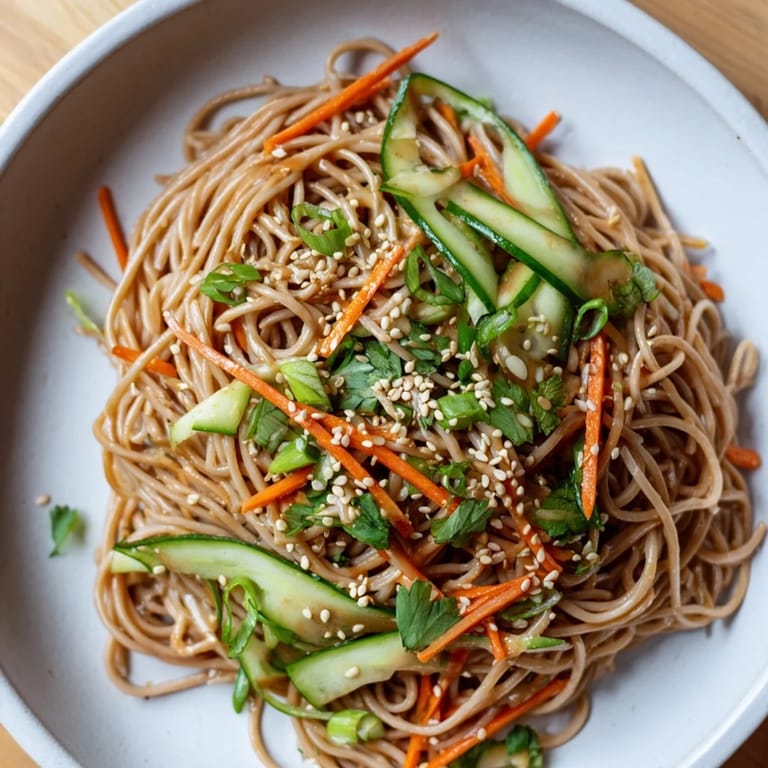
- Cucumber, julienned (1 cup): The crunch matters, so don't skip this or you'll end up with sad noodles.
- Carrots, julienned (2 medium): They soften just slightly by day two, which somehow makes them even better.
- Green onions, thinly sliced (2): Freshness in a bite, and they don't get soggy like you'd expect.
- Toasted sesame seeds (2 tbsp): The finishing touch that makes it feel intentional rather than thrown together.
- Fresh cilantro, chopped (1 tbsp, optional): If you're a cilantro person, it adds brightness; if you're not, nobody will miss it.
Tired of Takeout? 🥡
Get 10 meals you can make faster than delivery arrives. Seriously.
One email. No spam. Unsubscribe anytime.
Instructions
- Cook and chill the noodles:
- Boil your noodles according to the package, then immediately drain them and run them under cold water until they're completely cool to the touch—this is the step that separates good cold noodles from gummy regret. Make sure they're dry before you move forward, or everything gets watery.
- Build the sauce:
- Whisk together the soy sauce, sesame oil, rice vinegar, honey, and chili garlic sauce in a small bowl until the honey dissolves and everything comes together. The smell alone will convince you this was worth the effort.
- Assemble in containers:
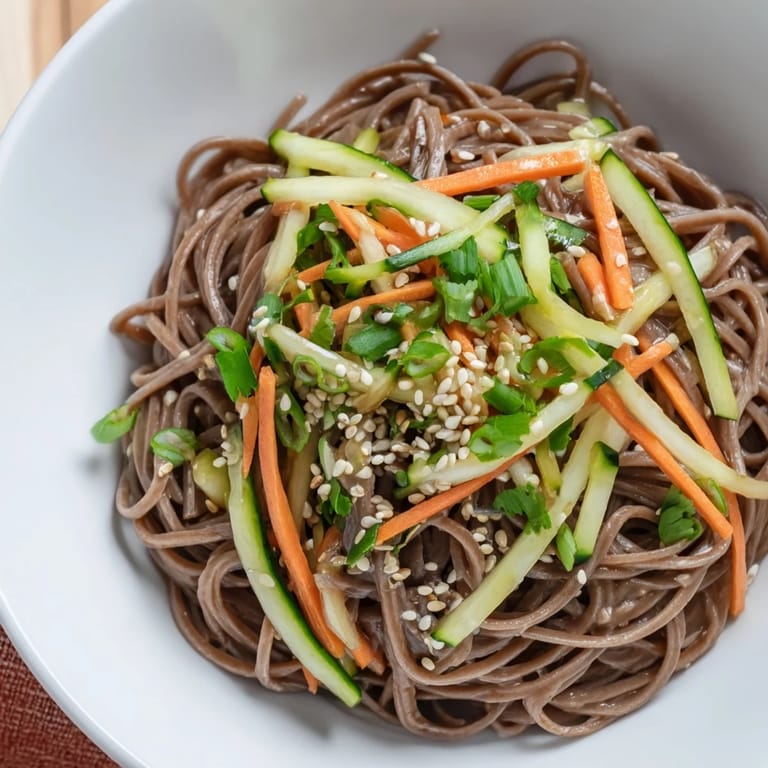
- Divide the noodles among four containers, then layer the cucumber, carrot, and green onion on top. This way, the crunch stays crisp instead of getting soggy.
- Add the sauce and finish:
- Drizzle the sauce evenly over each container, then sprinkle with sesame seeds and cilantro if you're using it. Give it a gentle toss if you're eating it right away, or seal it up and let the flavors get to know each other in the fridge.
 Save
Save The first time I ate one of these at my desk, I wasn't thinking about nutrition or meal prep efficiency. I was thinking about how something this simple tasted so intentional, like I'd actually taken care of myself instead of just surviving until dinner.
Why Cold Noodles Are Actually Better
There's a weird moment in cooking culture where we assume hot equals better, more effort, more love. But cold noodles are different—they're deliberate. The flavors don't blur together like they do in a steaming bowl; instead, each element stays distinct and bright. The sesame oil doesn't melt into everything; it sits there, coating each noodle with personality. The vegetables stay crisp instead of surrendering to heat. It's the opposite of lazy—it's intentional precision wrapped in convenience.
The Flavor That Gets Better Overnight
Something genuinely unexpected happens after these sit in the fridge for a few hours. The noodles absorb the sesame and soy flavors slowly, getting better as they sit. By day two, it tastes like it was meant to be cold all along. The chili garlic sauce deepens its warmth without overwhelming anything. It's one of those rare dishes where meal prep isn't a compromise—it's actually the superior version of itself.
Making It Your Own Without Overthinking It
These cups are a framework, not a cage. I've added shredded chicken when I had it, crumbled tofu when I was being intentional about protein, even a handful of shredded purple cabbage when I needed more crunch. Edamame works, peanuts work, fresh mint works if you're feeling adventurous. The sauce holds everything together regardless of what you're adding. Just remember that the best version is the one you'll actually make and eat, not the one you're imagining in theory.
- Protein additions like tofu, chicken, or edamame can turn this into a genuinely complete meal.
- Store any added protein separately if you're prepping multiple days ahead, to keep textures from getting weird.
- This is one of those recipes where less is often more—stick to two or three add-ins rather than turning it into chaos.
 Save
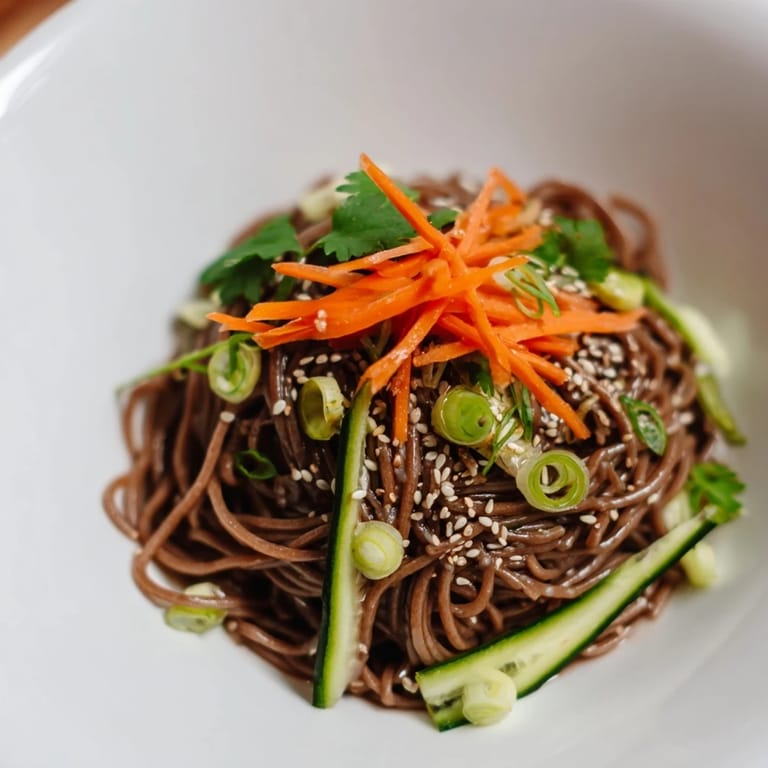
Save These cups have become my answer to the question of what to bring when someone asks what I'm eating for lunch. Simple, intentional, and genuinely better the next day.
Recipe FAQs
- → What type of noodles work best for this dish?
Dried soba or rice noodles are ideal as they chill well and absorb the flavorful sauce effectively.
- → How do I ensure the noodles stay chilled and firm?
After cooking, rinse the noodles under cold water thoroughly and drain well to prevent sogginess and keep them firm.
- → Can the spice level be adjusted?
Yes, the amount of chili garlic sauce can be tailored to your preferred heat level for a milder or spicier flavor.
- → What are some good protein additions?
For extra protein, add cubed tofu, shredded chicken, or edamame to complement the noodles and vegetables.
- → How long can these lunch cups be stored?
They keep well refrigerated for up to 3 days, making them excellent for meal prep and lasting freshness.