 Save
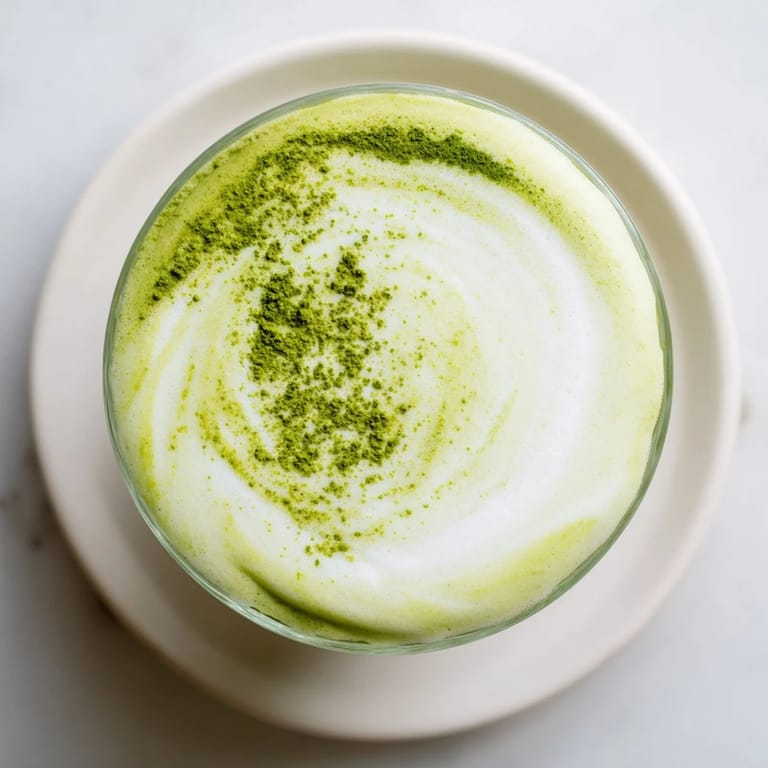
Save The first time I had a matcha latte with cold foam was at a tiny café in Kyoto where the barista explained that the contrast between warm earthy matcha and chilly sweet foam creates something special. I was skeptical until I took that first sip—the temperature difference alone wakes up your palate, but the way the foam slowly melts into the matcha changes the flavor with every passing minute. Now whenever I need an afternoon reset, this is what I make.
My friend Sarah came over recently looking completely drained after back to back meetings. I made her this matcha latte and watched her shoulders drop as she took that first sip. She said it was like someone hit the reset button on her entire day, and now she texts me every time she makes one herself.
Ingredients
- High quality matcha powder: I learned the hard way that cheap matcha tastes bitter and grassy. Look for ceremonial grade or at least something vibrant green with a smooth slightly sweet finish.
- Hot water around 80°C (175°F): Boiling water burns the matcha and makes it bitter. If you do not have a temperature controlled kettle, let boiled water sit for two to three minutes before using.
- Milk of choice (dairy or plant based): Whole milk creates the richest foam, but oat milk froths surprisingly well and adds natural sweetness. Whatever you choose, avoid skim milk—the foam disappears too quickly.
- Cold milk for foam (preferably whole or barista style plant milk): The fat content here matters. I have tried every alternative, and barista edition oat milk comes closest to whole milk for creating thick stable foam that actually lasts.
- Granulated sugar or simple syrup: Simple syrup dissolves instantly in cold milk, but granulated sugar works if you froth long enough. Start with one teaspoon and adjust from there.
- Ice cubes (optional): If you are making this iced or just want the foam to hold its shape longer, ice helps maintain that temperature contrast I mentioned.
Tired of Takeout? 🥡
Get 10 meals you can make faster than delivery arrives. Seriously.
One email. No spam. Unsubscribe anytime.
Instructions
- Sift the matcha:
- Push the powder through a fine mesh strainer into your bowl or mug. This extra step eliminates lumps that never dissolve no matter how much you whisk.
- Whisk with hot water:
- Pour in the hot water and whisk in a W motion until the matcha is smooth with a layer of tiny bubbles on top. If you are using a bamboo whisk (chasen), move quickly like you are whipping cream.
- Warm the milk:
- Heat the milk until it is warm to the touch but not boiling. If you are using a microwave, heat in 15 second bursts and stir in between—it is easy to overheat milk this way.
- Combine and pour:
- Pour the warm milk into the matcha and stir gently. If you are adding ice, do it now before the foam so the glass does not overflow.
- Create the cold foam:
- Combine cold milk and sugar in a frothing pitcher or jar. Froth until the volume doubles and the texture looks like melted marshmallow. If you are using a jar, shake it vigorously for 30 to 45 seconds.
- Assemble and serve:
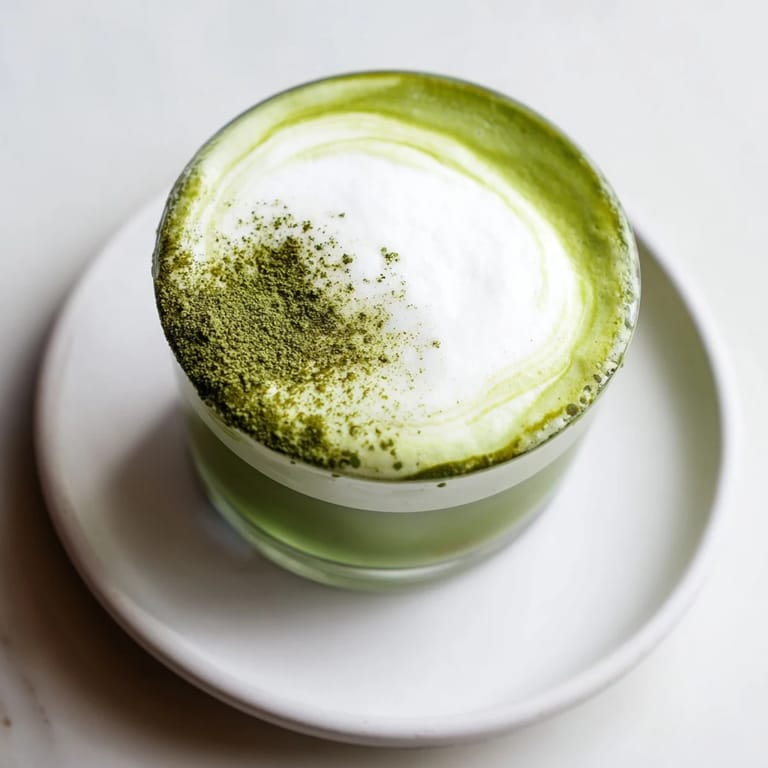
- Spoon the foam over the matcha in dollops—it should float on top. Sprinkle with a pinch of matcha or cinnamon if you want it to look pretty. Serve immediately before the foam starts to melt.
 Save
Save There is something meditative about whisking matcha, the way the powder transforms into this brilliant emerald liquid. I have started treating those thirty seconds of whisking as a tiny mindfulness practice before the rush of the day begins.
Choosing the Right Matcha
I wasted money on several culinary grade matchas before someone finally explained the difference. Ceremonial grade means the leaves were shade grown longer, developing more chlorophyll and L theanine for that smooth slightly sweet flavor. If your matcha smells dusty or looks dull yellow green, save it for baking and buy something better for drinking.
Milk Temperature Matters
The science here is simple—fat molecules froth better when they are cold, which is why the foam works best with chilled milk straight from the refrigerator. But warm milk blends more smoothly with the matcha without creating weird texture separation. That temperature contrast is exactly what makes this drink work.
Equipment Upgrades
A bamboo whisk (chasen) sounds like a gimmick until you use one. The fine prongs create micro bubbles you cannot get with a regular whisk or frother. That said, I made perfectly acceptable versions with just a handheld frother and a mason jar. Use what you have.
- If you are serious about matcha, a bamboo whisk and a traditional ceramic bowl will change your life
- A handheld milk frother is the most versatile single tool you can buy for coffee and tea drinks
- A fine mesh strainer is the unsung hero of lump free matcha every single time
 Save
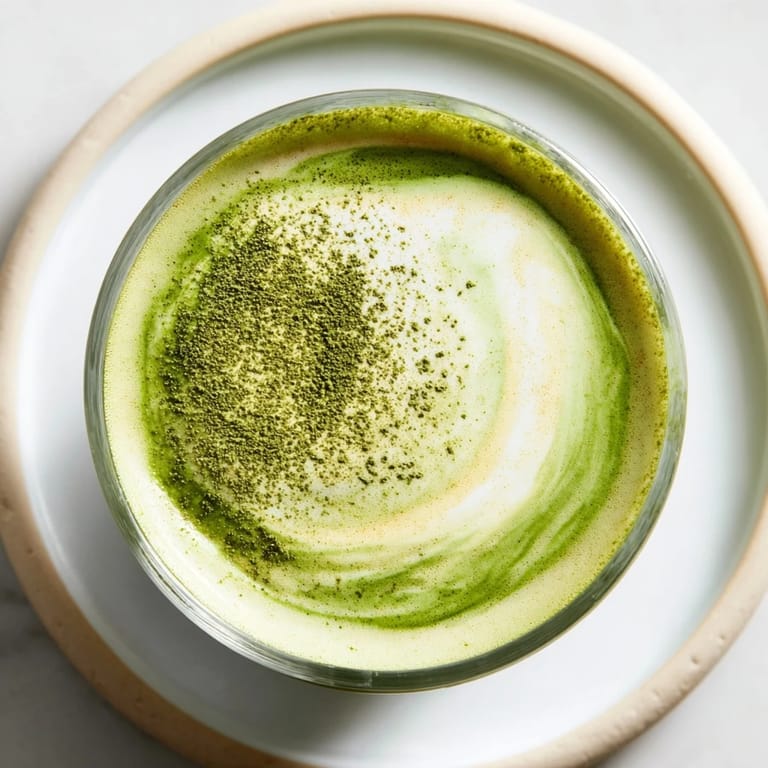
Save This drink started as a café curiosity and became my go to afternoon ritual. I hope it brings you as many quiet moments as it has brought me.
Recipe FAQs
- → What type of milk works best for the latte base?
Both dairy and plant-based milks like oat, soy, or almond can be used. Warm the milk gently to maintain creaminess without scorching.
- → How is the cold foam prepared?
Combine cold milk and sugar, then froth vigorously using a frother or jar shaking until the mixture doubles in volume and becomes airy and light.
- → Can I adjust the sweetness of the foam?
Yes, increase or decrease sugar or syrup amounts to suit your taste preferences for a balanced sweetness.
- → What tools are recommended for making this latte?
A matcha whisk (chasen) or small frother for whisking matcha, a saucepan or microwave to warm milk, and a frothing pitcher or jar for cold foam are ideal.
- → Can this drink be served iced?
Yes, adding ice cubes into the latte before topping with foam creates a refreshing chilled version perfect for warm days.