 Save
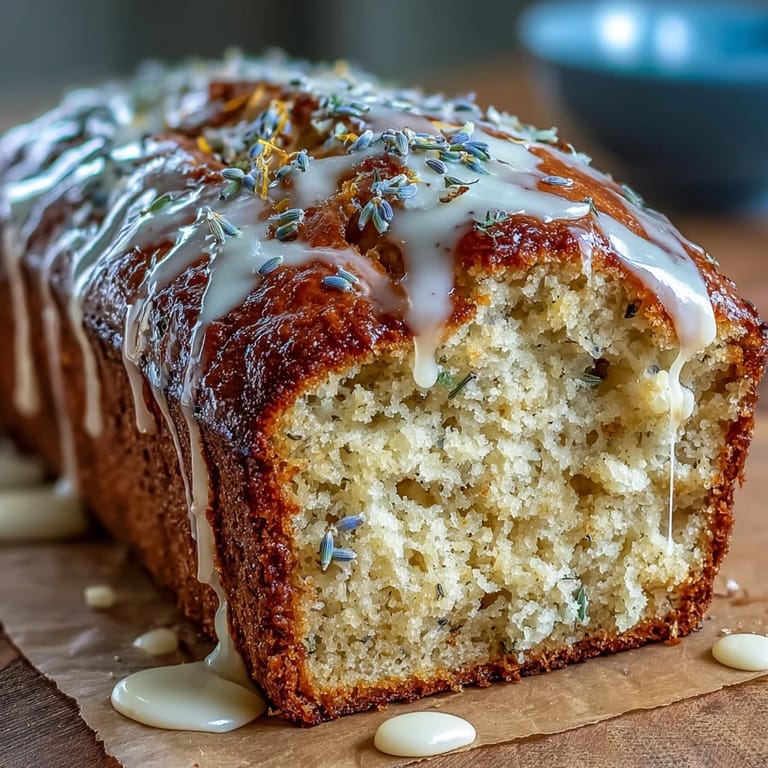
Save Lavender always makes me think of early summer, and this Lemon Lavender Loaf Cake lets those subtle floral notes shine through in every slice. The first time I baked it, a gentle waft of citrus and botanicals drifted from the oven and made the whole kitchen feel like a sunlit garden. The honey glaze is a sticky treat that finishes it all with a sunny sweetness. It’s the kind of loaf that feels at once simple and a little bit magical. Whether you're a lavender devotee or a curious newcomer, this cake is a bright, fragrant invitation to pause and savor.
Once I took this loaf to a park picnic with friends, and as I sliced it, someone actually paused mid-conversation just to comment on how good it smelled. We ended up using it as a sort of makeshift centerpiece—everyone stopped, grabbed a fork, and had a slice right there on the blanket.
Ingredients
- All-purpose flour: I found sifting helps make the crumb extra light and prevents any pockets of flour in each slice.
- Baking powder & baking soda: I use both for a gentle but stable rise; always double-check the freshness so the loaf lifts beautifully.
- Salt: Just a pinch brightens the flavors and balances the sweetness.
- Culinary dried lavender buds: Go easy; too much can taste soapy, but just a tablespoon gives the cake that wonderful aroma.
- Lemon zest: Grate only the yellow peel—any white pith turns bitter, so use a microplane or fine grater.
- Unsalted butter, room temperature: Letting the butter sit out for about 30 minutes yields a creamier batter and better aeration.
- Granulated sugar: It builds a tender sweetness that doesn’t overpower the floral notes.
- Large eggs, room temperature: Adding them in one at a time keeps the batter stable and prevents splitting.
- Greek yogurt or sour cream: This is the secret to making each slice tangy and moist.
- Whole milk: Its richness mellows the tart lemon and lavender.
- Fresh lemon juice: I always squeeze it right before adding for the brightest citrus kick.
- Pure vanilla extract: It adds warmth and rounds out all the sharper notes.
- Powdered sugar, sifted: Sifting gets rid of any lumps for a gloriously smooth glaze.
- Honey: The floral sweetness in the glaze makes the cake really sing—go for your favorite local variety if you can.
Tired of Takeout? 🥡
Get 10 meals you can make faster than delivery arrives. Seriously.
One email. No spam. Unsubscribe anytime.
Instructions
- Switch on the oven:
- Set your oven to 350°F (175°C). Grease and line a 9x5-inch loaf pan with parchment so the cake lifts out cleanly after baking.
- Mix dry ingredients:
- Whisk together the flour, baking powder, baking soda, salt, dried lavender, and lemon zest in a medium bowl. Take a deep breath—the scent is already intoxicating.
- Cream butter and sugar:
- Use an electric mixer to cream butter and granulated sugar until pale and fluffy, about 3 minutes—the mixture should look almost whipped.
- Add the eggs:
- Beat in the eggs one at a time, mixing until fully blended before each addition; scrape down the sides to keep the batter silky.
- Stir in wet ingredients:
- Mix in the yogurt, milk, lemon juice, and vanilla. The batter will look a little curdled at this stage—don't worry, it will come together.
- Combine everything:
- Gently add the dry mix to the wet, stirring only until just combined. Overmixing means a tough loaf, so stop as soon as you see the last streak of flour disappear.
- Bake the loaf:
- Pour the batter into your prepared pan and smooth the top. Bake for 45–50 minutes, until golden with a toothpick coming out clean from the center.
- Cool the cake:
- Let the loaf rest in the pan for 10 minutes, then turn it out onto a wire rack to cool completely; this prevents any sticky bottoms.
- Prepare the honey glaze:
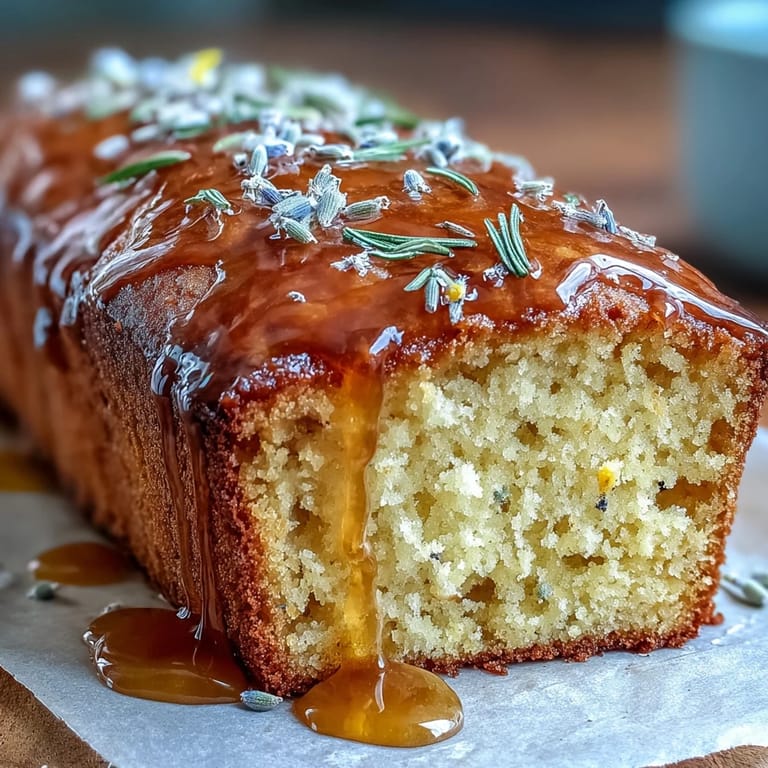
- Whisk the powdered sugar, honey, and enough lemon juice for a pourable consistency. The glaze should run in thick ribbons off your whisk.
- Finish and serve:
- Drizzle the glaze over your cooled loaf and let set for a few minutes. Slice and serve, ideally with a cup of your favorite tea.
 Save
Save There was one evening when I served this cake after an outdoor dinner, and as the sun dipped behind the trees, we just sat there quietly eating, no small talk needed. Sometimes food bridges the conversation gap—this loaf certainly has, more than once.
What Makes Lavender and Lemon Work Together
I'd wondered whether lavender would be overpowering once baked, but the fresh zest of lemon absolutely keeps it in check. It's a pairing that tastes like a warm afternoon in a blooming garden, balanced and sophisticated without feeling fussy.
Troubleshooting Your Loaf Cake
If your loaf browns too fast, a loose foil tent helps prevent burning while letting the center bake through. Sinking middles usually mean the oven was too hot or there was too much liquid, so check your temperature and measure carefully.
Glaze Like a Pro (and Extra Flair)
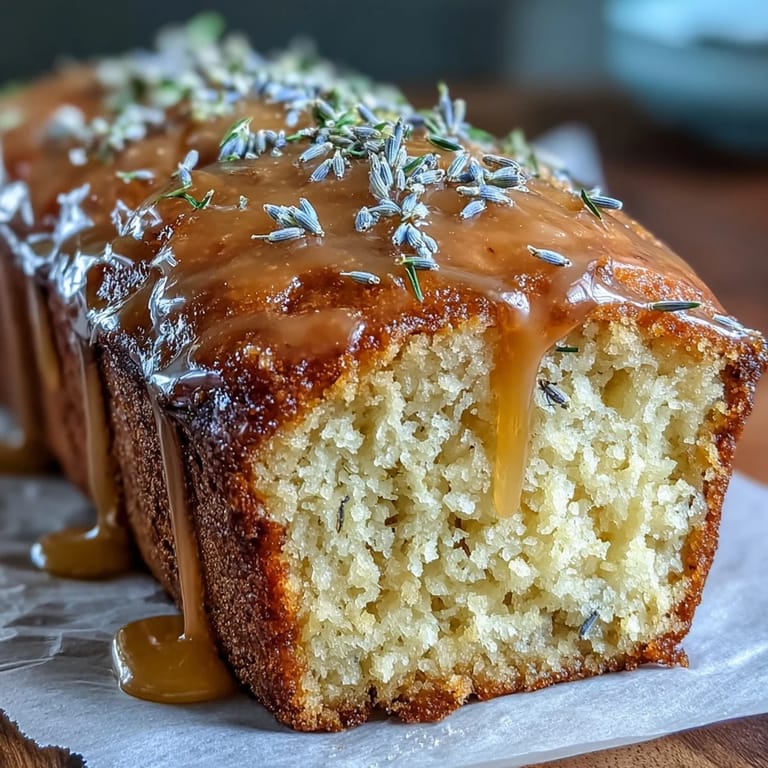
For the glaze, start with less lemon juice and add more until you love the consistency—I like mine somewhere between a pour and a drizzle. Extra lemon zest over the top looks stunning, and a few lavender buds add lovely dots of color for serving.
- Let your loaf cool fully before glazing for the prettiest finish.
- If you want a thicker glaze, stick to the lower end of lemon juice.
- Use a small whisk or fork for the smoothest glaze texture.
 Save
Save This loaf is a treat worth sharing, especially with a friend who loves a taste of something new. I hope you enjoy every fragrant, lemony slice!
Recipe FAQs
- → Can I use fresh lavender instead of dried?
Fresh lavender can be used, but it is more delicate and contains more moisture. Use about twice the volume of fresh flowers, finely chopped, and taste the batter—fresh buds can be milder, so consider steeping them in warmed milk for a more pronounced floral note.
- → How do I avoid a dense loaf?
Cream the butter and sugar until light and fluffy to incorporate air. Use room-temperature eggs and fold the dry ingredients in gently, stopping when just combined. Overmixing develops gluten and leads to a heavier crumb.
- → What's the best way to infuse lavender flavor?
Warm the milk with dried lavender buds for 10–15 minutes off the heat, then strain before adding to the batter. This extracts floral oils without adding gritty texture; adjust infusion time for a subtler or stronger aroma.
- → How do I get the honey glaze to the right consistency?
Whisk powdered sugar with honey and add lemon juice a little at a time until smooth and pourable. For a thinner glaze add more lemon juice; for a thicker glaze add a touch more powdered sugar. Glaze will set slightly as it cools.
- → Can I swap Greek yogurt for sour cream or milk?
Yes. Greek yogurt or sour cream adds tenderness and slight tang; swap in equal amounts. If using only milk, consider adding a tablespoon of lemon juice or a little extra fat to maintain moistness.
- → How should I store and slice the loaf?
Once cooled and glazed, keep the loaf covered at room temperature for 2 days or refrigerated up to 4 days. For cleaner slices, chill briefly to firm the glaze and use a sharp serrated knife, wiping the blade between cuts.