 Save
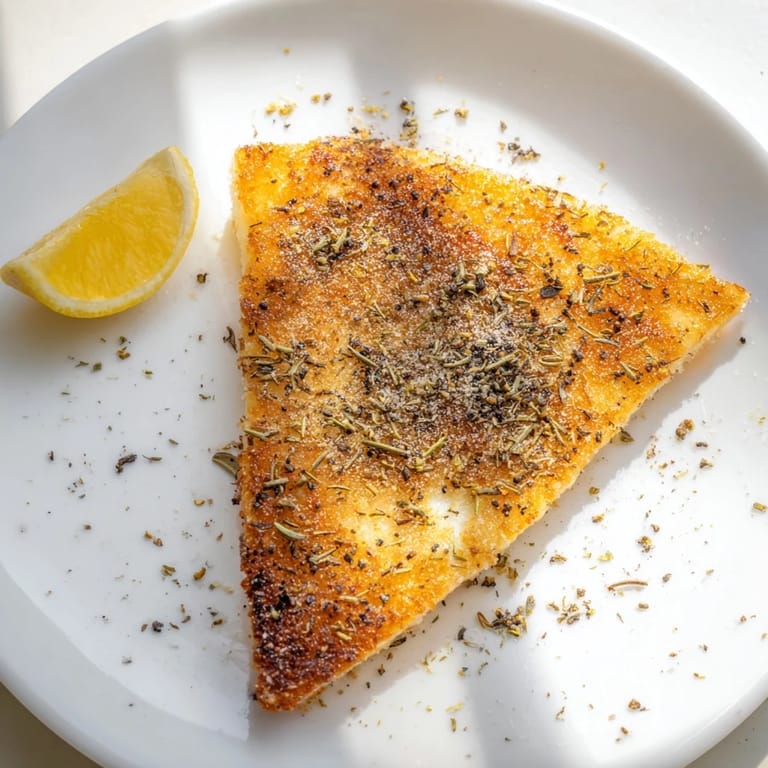
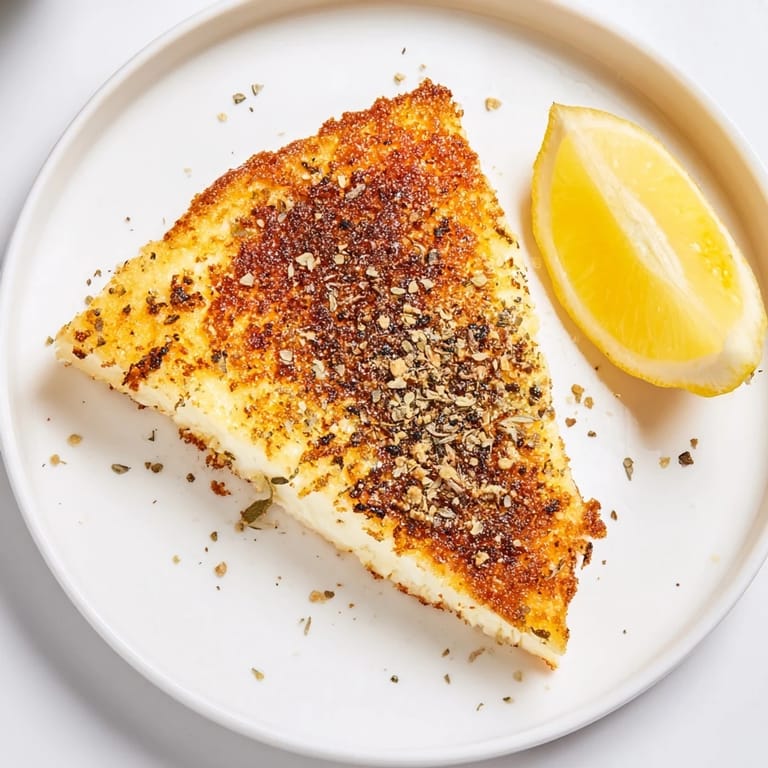
Save There's a particular magic to watching cheese transform in a hot pan—the way it goes from pale and timid to golden and defiant in just under two minutes. I first encountered saganaki at a tiny taverna in Thessaloniki, where an older woman slid a plate of these crackling squares onto our table with the casual confidence of someone who'd made them ten thousand times. The sound they made when she squeezed lemon over them—that gentle sizzle and pop—hooked me immediately. Now whenever I make them at home, I chase that exact moment, that perfect intersection of molten center and crispy shell.
I once made this for a dinner party where a guest mentioned she'd never had Greek food before, and I remember the exact expression on her face when she bit into one—pure surprise, then pure joy. She came back for three more before the platter even made it around the table. That's when I realized saganaki isn't just an appetizer; it's a moment where something simple becomes unforgettable.
Ingredients
- Firm Greek cheese (200g kasseri, kefalotyri, or halloumi), sliced 1 cm thick: This is the entire dish, so choose wisely—you want something that holds its shape when hot but melts into submission in the center. Kasseri is traditional and nearly foolproof; halloumi works beautifully if that's what you can find.
- All-purpose flour (2 tbsp, or gluten-free): This isn't about building flavor; it's a thin veil that catches the heat and creates that crucial crispy exterior while keeping the cheese from sticking.
- Olive oil (2 tbsp): Use one you actually enjoy—it seasons the cheese as it fries, so mediocre oil makes mediocre cheese.
- Lemon (1, cut into wedges): Fresh lemon is non-negotiable; the acidity cuts through the richness and wakes up every flavor.
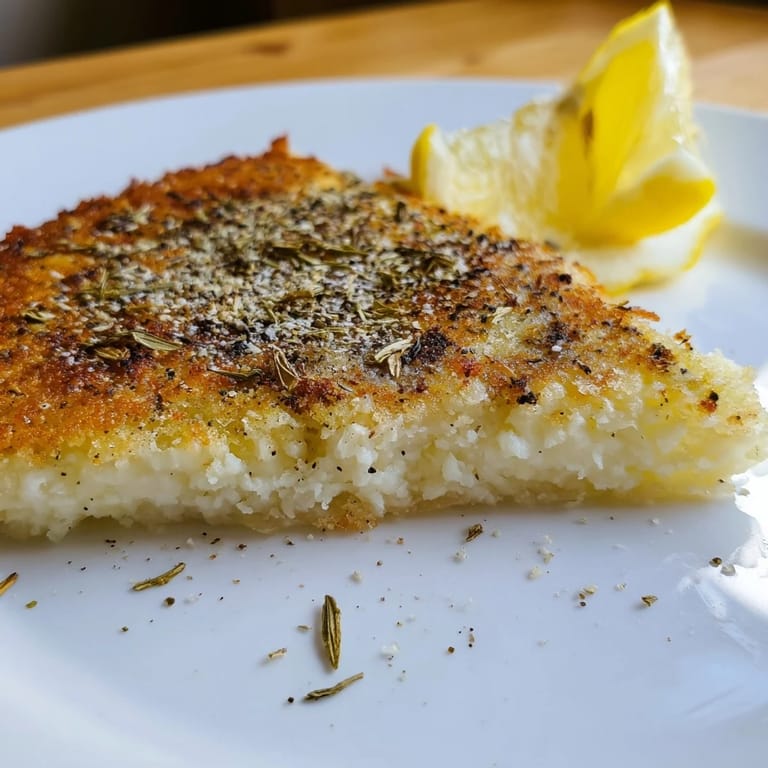
- Dried oregano (1/2 tsp) and freshly ground black pepper: These two finish the dish with a whisper of Mediterranean warmth and a gentle grind of pepper.
Tired of Takeout? 🥡
Get 10 meals you can make faster than delivery arrives. Seriously.
One email. No spam. Unsubscribe anytime.
Instructions
- Dry your cheese properly:
- Pat each slice thoroughly with paper towels—moisture is the enemy of crispiness. I learned this the hard way when soggy slices refused to crisp and just wept oil instead. A few extra seconds here changes everything.
- Coat lightly in flour:
- Dredge each piece so it's barely whispered with flour, then shake off the excess. You want a delicate coating that crisps, not a thick crust that masks the cheese.
- Heat your oil to the right temperature:
- Medium-high heat is the sweet spot—if it's smoking, it's too hot and the cheese will brown before it melts. If it's barely warm, the cheese will just leak out sadly onto the pan.
- Fry with confidence and speed:
- Once the oil shimmers, add your cheese slices and resist the urge to move them around. Let them sit for 1 to 2 minutes per side, listening for that gentle sizzle that tells you they're turning golden. Flip once, with a spatula that respects the cheese's delicate state.
- Drain briefly and season immediately:
- A quick rest on paper towels removes excess oil, then hit the hot cheese with oregano and black pepper while it's still steaming—the heat helps the flavors cling.
- Serve without delay:
- Saganaki waits for no one. The moment it hits the plate, squeeze lemon over it and eat it immediately, while the outside is still shatteringly crisp and the inside is still sighing with heat.
 Save
Save There's a moment, right after you flip the cheese and watch it sizzle and turn that honeyed gold, where you realize how close simplicity and magic actually are. That's when this dish stops being cooking and becomes almost meditative—just you, cheese, heat, and the knowledge that in thirty seconds, something beautiful will be on the table.
Choosing Your Cheese
The traditional choices are kasseri and kefalotyri—both firm, salty, and designed to handle high heat without immediately collapsing into a puddle. Halloumi is the modern darling for good reason; it has a higher melting point and holds its shape like it was born to be fried. Graviera is another gem if you come across it, with a slightly sweeter character that surprises people pleasantly. I've experimented with feta out of desperation once, and I don't recommend it unless you enjoy watching cheese disintegrate into the pan.
The Theater of It All
Saganaki has a showmanship quality that elevates it beyond its simplicity—the sizzle, the aroma, the golden squares glistening on white ceramic. Some cooks even flambe it with a splash of brandy and shout 'Opa!' as it ignites, which is delightful if you're comfortable with small theatrical fire. You don't need to go that far for impact; just the sound of hot cheese and fresh lemon is enough to make people pay attention to what's in front of them.
Serving and Pairing
Saganaki sits beautifully at the beginning of a meal, clearing the palate and setting expectations high. It's equally at home on a mezze platter surrounded by olives, hummus, and crusty bread, or standing alone as a snack with wine. A crisp white wine like Assyrtiko or even a simple lager works perfectly alongside it, cutting through the richness and echoing the lemon. Think of it as an opener that says 'good things are coming,' because they are.
- Serve on a warm plate to keep the cheese hot longer.
- If making multiple batches, keep finished pieces warm in a low oven while you fry the rest.
- Have your lemon wedges and oregano prepped before you start frying—there's no time to hunt for them once the pan is hot.
 Save
Save This is the kind of recipe that reminds you why cooking matters—it takes almost nothing and transforms it into something that tastes like care and intention. Make it once, and you'll understand why it's lasted centuries on Greek tables.
Recipe FAQs
- → What cheese types work best for saganaki?
Firm Greek cheeses such as kasseri, kefalotyri, or halloumi provide the ideal texture and flavor.
- → How can I make a gluten-free version?
Use gluten-free flour for coating to keep it safe without altering the crispiness.
- → What is the best cooking method for saganaki?
Pan-frying in olive oil until each side achieves a golden, crispy crust ensures delicious results.
- → How should saganaki be served?
Serve immediately with lemon wedges to squeeze over, plus a sprinkle of oregano and black pepper.
- → Can saganaki be paired with any beverages?
A crisp white wine like Assyrtiko complements the rich, salty cheese beautifully.