 Save
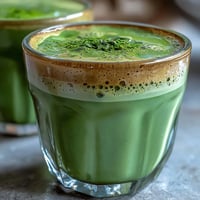
Save A friend handed me a small bag of hojicha at a Tokyo gift shop, and I almost left it on the shelf, assuming it was just another tea. Months later, desperate for something different than my usual morning routine, I finally brewed a cup and was startled by how warm and nutty it smelled, nothing like the grassy green teas I'd known. That afternoon, standing in my kitchen with steam rising from my mug, I thought: why not make this into something creamy? The moment I poured frothed milk into that toasted tea, everything clicked into place.
I made this for my sister during a quiet morning when neither of us wanted to leave the kitchen, and watching her first sip, the way her expression softened, told me I'd discovered something special. She drank it slowly, almost meditative, and asked for the recipe before she'd even finished the cup. Now whenever she visits, this is what she requests, and somehow making it together has become our small ritual.
Ingredients
- Hojicha loose-leaf tea: This roasted green tea is the soul of the drink—the roasting gives it a deeper, almost grain-like flavor that plays beautifully with milk and sweetness, and loose leaves always taste fresher than bags, though bags work fine if that's what you have on hand.
- Filtered water: Tap water works, but filtered water lets the subtle notes of the hojicha shine without interference.
- Whole milk: The fat content creates that silky, cappuccino-worthy texture, though oat milk froths surprisingly well and tastes genuinely delicious if you prefer plant-based.
- Honey, maple syrup, or sugar: These aren't just sweeteners but flavor bridges that deepen the hojicha's toasty notes rather than covering them up, so choose what speaks to you.
Tired of Takeout? 🥡
Get 10 meals you can make faster than delivery arrives. Seriously.
One email. No spam. Unsubscribe anytime.
Instructions
- Brew the hojicha:
- Bring water to a gentle simmer and add your tea leaves or bags, letting them steep for three to four minutes until the water turns a warm amber color. The aroma alone is worth the wait.
- Heat and froth the milk:
- While the tea steeps, warm your milk in a small saucepan over medium heat, stirring occasionally, then use a frother or whisk to create that creamy foam that makes cappuccinos feel like a treat. Don't let it get too hot or the milk will split and lose its velvety texture.
- Combine the base:
- Strain the tea if needed and divide it between two cups, stirring in your chosen sweetener to taste. The warmth of the tea will help dissolve whatever sweetness you add.
- Pour with intention:
- Pour the steamed milk slowly over the tea, using a spoon to hold back the foam until the last moment, then spoon that airy cap on top for that classic cappuccino look. The layering matters more than you'd think—it changes how you experience each sip.
- Finish and serve:
- A whisper of hojicha powder or cinnamon on top adds a final flourish and a hint of bitterness that balances the sweetness beautifully. Serve right away while everything is still warm and the foam is still perfect.
 Save
Save There was an evening when my neighbor smelled this brewing through our shared wall and knocked on the door asking what I was making, and next thing I knew we were standing in my kitchen in our socks, both holding warm cups and talking about nothing important for an hour. That's when I realized this drink had become more than a beverage—it was an invitation, something that slows you down and makes you want to linger.
The Art of Milk Frothing
The secret to a perfect cappuccino isn't fancy equipment but understanding what you're actually doing: you're introducing tiny air bubbles into milk while keeping it hot, creating a texture that's somewhere between liquid and cloud. If you don't have a frother, a whisk works beautifully, though you'll need to be patient and methodical, moving the whisk in quick circular motions while angling it slightly to catch air. I learned this the hard way after disappointing myself with limp, flat milk twice before realizing that the angle and speed matter as much as the intention.
Customizing Your Cup
Once you've made this once, you'll start experimenting, and that's exactly what should happen. Some mornings I add a dash of vanilla extract for warmth, other times a tiny pinch of sea salt to heighten the toasted flavors. The beauty of this drink is that it's forgiving enough to bend to your preferences while still tasting authentically itself.
Pairing and Timing
This cappuccino glows brightest in moments of transition—early morning when you need grounding, an afternoon pause, or that small window after dinner when you want something warm but not stimulating. The soft, nutty flavor pairs beautifully with buttery pastries, almond cookies, or Japanese sweets like mochi or dorayaki, creating a moment that feels both simple and intentional. The hojicha's natural sweetness means you're not fighting against bitterness, which lets you savor every component.
- Brew a slightly stronger tea if you're planning to add more milk than usual, so the hojicha flavor doesn't disappear.
- If you're making this for guests, prep your hojicha in advance and store it in a thermos so you can focus on frothing milk without rushing.
- Experiment with different hojicha grades—some are powdery and fine, others are leafier, and each brings a slightly different character to your cup.
 Save
Save This isn't coffee pretending to be something else; it's something entirely its own, a drink that says you're taking a moment for yourself. Make it when you need grounding, share it when you want connection, and return to it whenever you remember how good warm, thoughtful things can taste.
Recipe FAQs
- → What does hojicha taste like?
Hojicha has a distinctive toasty, nutty flavor with notes of caramel and earthiness. The roasting process reduces bitterness and creates a smooth, mellow taste that's naturally sweet and comforting.
- → Is hojicha cappuccino caffeinated?
Yes, but with significantly less caffeine than coffee-based cappuccinos. Hojicha contains about 20-30mg of caffeine per cup compared to 80-100mg in coffee, making it a gentler option for those sensitive to stimulants.
- → Can I make this dairy-free?
Absolutely. Oat milk froths exceptionally well and creates a creamy texture similar to dairy. Almond and soy milk also work, though they may produce slightly less foam. Look for barista-style plant milks for best results.
- → How do I get the best milk foam?
Heat milk to about 150°F (65°C) - hot but not boiling. Use a milk frother or whisk vigorously to create microfoam. Whole milk creates the richest foam, but oat milk is the best plant-based alternative for achieving that creamy cappuccino texture.
- → Can I adjust the tea strength?
Certainly. For a stronger tea flavor, steep longer or add an extra teaspoon of hojicha leaves. For a milder taste, reduce steeping time to 2 minutes. The roasted tea flavor remains pleasant even at different strengths.
- → What foods pair well with hojicha cappuccino?
This beverage pairs beautifully with light pastries, buttery cookies, or traditional Japanese sweets like wagashi. The toasty notes complement vanilla, caramel, and chocolate flavors, making it versatile for various afternoon treats.