 Save
Save There's a particular quiet that settles over a Japanese café in the late afternoon, right when the sun hits the windows at just the right angle. I discovered hojicha cortado during one of those moments, nursing a cup while watching the barista move with practiced ease through the milk steamer's gentle hiss. The drink appeared almost simple on the menu, but that first sip revealed layers—the toasted, almost nutty warmth of the hojicha grounding everything, then the milk arriving like a soft cloud. I spent the next week trying to recreate it at home, and honestly, those early attempts taught me more about patience and balance than any cooking class ever could.
I made this for a friend who swore she'd given up caffeine, and watching her face soften after that first taste was everything. She kept asking what was in it, convinced I'd added something sweet or decadent, but it was just the magic of hojicha doing its thing—that roasted depth somehow feels indulgent without being heavy. We sat in the kitchen for an extra hour that morning, talking about nothing in particular, and her empty cup said more than words ever could.
Ingredients
- Hojicha loose leaf tea: This roasted green tea is the whole show here—the leaves have been fired until they're dark and fragrant, which gives them that toasted, almost popcorn-like aroma that makes the drink smell as good as it tastes, so don't skip quality here.
- Water just below boiling: Boiling water actually scorches hojicha and turns it bitter, so aim for around 90°C (195°F) if you have a thermometer, or just wait 30 seconds after your kettle clicks off.
- Whole milk or plant-based alternative: Whole milk creates that luxurious silky texture that makes this drink feel special, but oat or soy milk steams beautifully too if that's what you're working with.
Tired of Takeout? 🥡
Get 10 meals you can make faster than delivery arrives. Seriously.
One email. No spam. Unsubscribe anytime.
Instructions
- Warm your water mindfully:
- Heat water to just below boiling—around 90°C (195°F) if you're checking with a thermometer, or simply let your kettle cool for about 30 seconds after it clicks off. This small step prevents the tea from becoming harsh or overly bitter.
- Steep the hojicha with intention:
- Add your tea leaves to a pot or infuser, pour the hot water over them, and let them sit for 2–3 minutes. You'll notice the water turning from clear to a warm amber color, releasing that unmistakable roasted aroma that's part of the whole experience.
- Steam or heat your milk while waiting:
- If you have a milk steamer, this is the moment to use it—you want the milk hot and just slightly frothy. No steamer at home? Gently warm the milk on the stovetop while whisking it to create a light foam, and you'll get almost the same effect.
- Pour with intention:
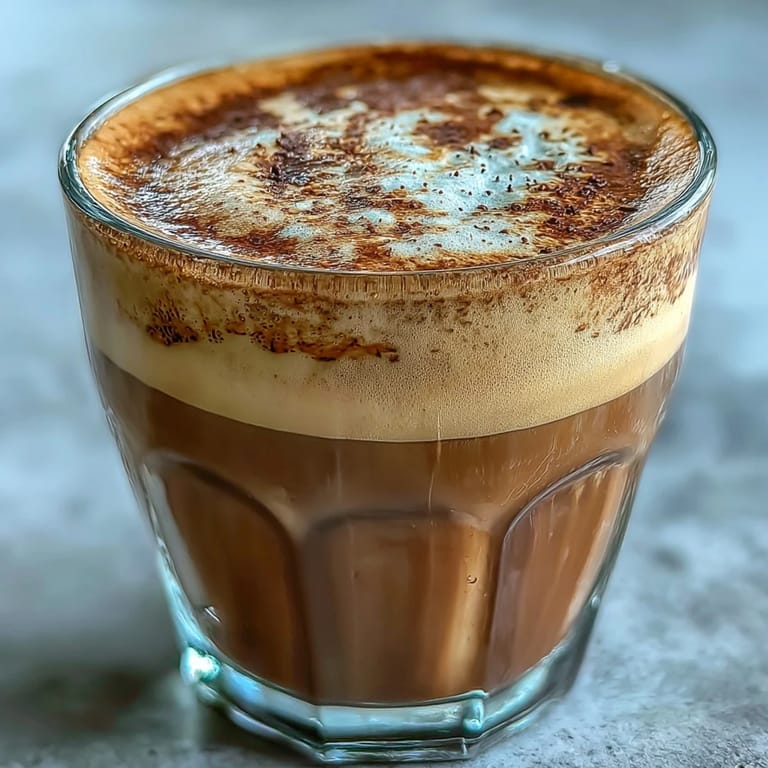
- Pour the brewed hojicha into your cup first, then slowly add the steamed milk in roughly equal amounts. If you've got foam on top of your milk, hold it back with a spoon while pouring, then crown the drink with just a spoonful of that silky froth.
- Serve and sip immediately:
- This drink is best enjoyed right away while the milk is still steaming and the flavors are singing at their peak. Take a moment to breathe in the aroma before that first sip.
 Save
Save This drink became my Saturday morning ritual on a stretch of rainy weeks, and somehow it transformed mornings that felt sluggish into moments worth savoring. There's something about holding a warm cup that smells like toasted grains and tastes like cream that makes you slow down, even when everything else feels like it's moving too fast.
The Hojicha Difference
Hojicha isn't your typical tea—it's a roasted Japanese green tea that's been heated until it's dark, fragrant, and almost completely caffeine-free compared to its un-roasted cousins. The roasting process gives it this deeply comforting flavor that sits somewhere between toasted nuts, caramel, and popcorn, which is why it works so beautifully with milk. Unlike regular green tea, which can taste grassy or sharp, hojicha has this natural warmth that makes it feel almost dessert-like, even when there's no sugar involved.
Milk Matters More Than You'd Think
The choice of milk here isn't just about dietary preferences—it actually changes how the drink tastes and feels on your tongue. Whole milk creates this silky, almost luxurious mouthfeel that makes the hojicha taste even more complex, but oat milk brings its own subtle sweetness that's lovely too, and soy milk froths with impressive commitment if you're looking for that café-quality texture. The foam is the real secret weapon—it not only looks beautiful but also traps the aroma close to your face, so you get that full sensory experience with every sip.
Custom Variations and Final Touches
Once you've nailed the basic cortado, the door opens for gentle variations that keep things interesting. A touch of honey or simple syrup sweetens things without overwhelming the hojicha's natural depth, while a dusting of cinnamon or extra hojicha powder on top adds visual beauty and aromatic complexity. Some days I add a pinch of sea salt to mine, which sounds strange until you taste how it highlights the roasted notes and makes everything taste slightly more sophisticated.
- Try a splash of vanilla extract for a subtle sweetness that feels like a treat without tasting like dessert.
- A light sprinkle of ground cinnamon on the foam looks beautiful and adds warmth that complements the hojicha perfectly.
- Save leftover brewed hojicha in the fridge for iced versions on warm days—it's equally delicious cold.
 Save
Save This cortado has become my small daily ritual, a moment where I genuinely pause and taste what's in front of me rather than rushing through it. Making one for someone else has somehow become my love language—a quiet way of saying, slow down, this moment matters.
Recipe FAQs
- → What makes hojicha different from other Japanese teas?
Hojicha is roasted green tea that undergoes high-heat processing, giving it a distinct reddish-brown color and nutty, caramel flavor profile. Unlike matcha or sencha, hojicha has lower caffeine content and a smoother taste that pairs beautifully with milk.
- → Can I make this without a milk steamer?
Absolutely. Heat your milk gently in a saucepan until hot but not boiling, then whisk vigorously by hand or use an immersion blender to create froth. The texture may be slightly less silky, but the flavor remains delicious.
- → What's the ideal water temperature for brewing hojicha?
Brew hojicha at approximately 90°C (195°F), just below boiling point. This temperature extracts the roasted flavors without making the tea bitter. Boiling water can scorch the delicate roasted notes, resulting in a harsher taste.
- → Is hojicha cortado suitable for evening consumption?
Yes, hojicha naturally contains lower caffeine levels compared to other green teas, making it a gentler option for afternoon or evening enjoyment. The roasting process breaks down caffeine compounds while developing the tea's characteristic warm, comforting flavors.
- → Which plant-based milk works best for hojicha cortado?
Oat milk creates the creamiest texture and natural sweetness that complements hojicha's roasted notes. Soy milk also froths well and provides protein. Almond milk adds a subtle nutty flavor that enhances the tea's caramel undertones.