 Save
Save There's something about hojicha that stopped me mid-morning one autumn, when a friend's kitchen smelled like toasted chestnuts and earth. She was steaming milk with this deep brown tea, and I watched the cup fill with this velvety, nutty warmth that felt nothing like the espresso routine I'd been stuck in. That sip changed how I think about coffee breaks, and now I make this flat white whenever I need to slow down.
I served this to my mum on a rainy Sunday, expecting her usual question about why I don't just make regular tea. Instead, she went quiet, holding the cup like it was something precious, and asked me to teach her how to make it. Now she texts me photos of hers, little experiments with different milk frothers and her own sweetener adjustments.
Ingredients
- Hojicha loose leaf tea or tea bags: 2 teaspoons or 2 bags. The roasting process gives hojicha its signature toasted flavor, and loose leaf steeps more evenly than bags, but bags work just fine when you're in a hurry.
- Hot water: 120 ml at 90°C (195°F). This temperature is crucial because boiling water can make hojicha taste bitter and harsh, stripping away those subtle nutty notes.
- Whole milk or oat milk: 120 ml. Whole milk froths beautifully and creates that glossy microfoam, but oat milk has become my backup on days when I want the dairy-free version without sacrificing creaminess.
- Sugar, honey, or syrup: 1 teaspoon, optional. I usually skip it, but honey adds a floral warmth that some mornings just call for.
Tired of Takeout? 🥡
Get 10 meals you can make faster than delivery arrives. Seriously.
One email. No spam. Unsubscribe anytime.
Instructions
- Brew the hojicha concentrate:
- Steep your tea leaves or bags in the hot water for 3 to 4 minutes. Watch as the water turns from clear to that beautiful amber-brown color, and let the aroma fill your kitchen. Strain out the leaves or remove the bags, and keep the concentrate warm in your cup.
- Steam and froth the milk:
- Heat the milk gently in a small saucepan or jug until it's steaming but not boiling. If you have a steam wand, angle the tip just below the surface to create fine bubbles; if not, a handheld frother or even a jar with a tight lid will work. Shake or whisk until you get that velvety microfoam with tiny bubbles throughout.
- Combine and pour:
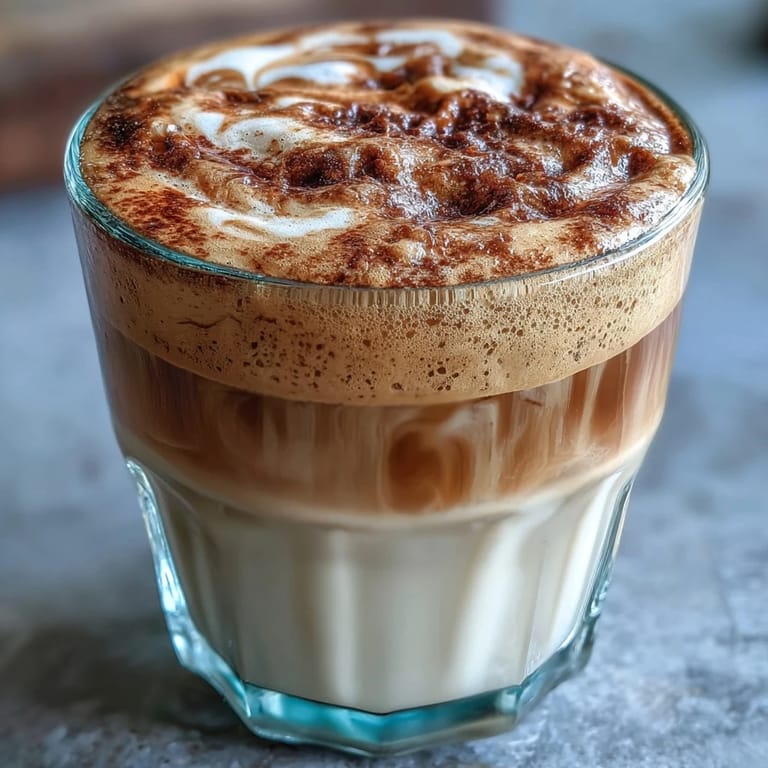
- Pour the hojicha concentrate into your pre-warmed cup, stir in any sweetener you're using, then gently pour the microfoamed milk over the top. Aim for a smooth blend where the crema sits on top like a little hat.
- Finish and serve:
- Dust with a pinch of hojicha powder or cinnamon if you like, and drink it while it's still warm and the foam is at its best.
 Save
Save I realized this drink became my version of a pause button when I started making it not for caffeine, but for the ritual of it. The sound of the frother, the smell rising up from the cup, the way holding something warm changes your whole body temperature on a cold morning, those are the moments that matter more than the ingredients list.
The Magic of Hojicha
Hojicha is roasted green tea, which means it's been heated until it turns brown and loses most of its caffeine. Unlike regular green tea, it tastes more like toasted grain or burnt honey, with almost no grassy edge. This roasting also makes hojicha naturally gentler on your stomach, so even if you're sensitive to caffeine or acidity, this flat white can become your new go-to drink.
Choosing Your Milk
Whole milk froths the easiest because of its fat content, creating those tiny, stable bubbles that make the drink feel luxurious. Oat milk has become a close second in my kitchen, with a naturally sweet flavor that complements hojicha's toasted notes. Almond milk works, but it froths thinner and sometimes tastes sharp against the tea, so if that's what you have, consider adding a tiny bit of honey to balance it out.
Making It Your Own
The beauty of this flat white is how easily it bends to what you need in the moment. Some mornings I add a splash of vanilla syrup, other times I layer in a touch of maple. You can steep the hojicha longer if you like it stronger, or shorter if you prefer something lighter and more delicate.
- Experiment with different sweeteners, honey brings warmth while agave keeps things subtle.
- A pinch of sea salt on top can actually enhance the toasted flavors and make everything taste more rounded.
- If your microfoam keeps disappearing, your milk might be too hot or your frother technique needs a small adjustment, but honestly, it tastes just as good either way.
 Save
Save This drink became my answer to the question of how to slow down without stopping living. Make it, sit with it, and let that toasted warmth remind you that sometimes the simplest things are the ones worth coming back to.
Recipe FAQs
- → What makes hojicha different from other Japanese teas?
Hojicha is roasted green tea that develops a distinctive toasty, nutty flavor profile with lower caffeine content compared to other Japanese teas. The roasting process gives it a reddish-brown color and milder taste that pairs beautifully with milk.
- → Can I use other types of milk for this preparation?
Whole milk creates the creamiest microfoam, but oat milk froths exceptionally well for a dairy-free version. Almond and soy milk also work, though they may produce slightly less stable foam. Coconut milk adds subtle sweetness but changes the flavor profile.
- → How do I achieve the perfect microfoam texture?
Heat milk to steaming point without boiling, then froth using a steam wand, handheld frother, or French press plunger. Aim for fine, velvety bubbles with a glossy appearance. The foam should be thick enough to hold shape but still pourable.
- → What's the ideal water temperature for brewing hojicha?
Use water at 90°C (195°F) for optimal extraction. Boiling water can scorch the leaves and create bitterness, while water that's too cool won't fully extract the toasty flavors. Let boiling water cool for about 2 minutes before pouring.
- → How can I adjust the strength of my hojicha beverage?
For a stronger tea flavor, steep leaves for 4-5 minutes or use an extra teaspoon. For a milder version, steep for just 2-3 minutes. You can also adjust the ratio of tea concentrate to milk, using more milk for a creamier, lighter drink.
- → What toppings or garnishes work well?
A light dusting of hojicha powder enhances the roasted aroma, while cinnamon adds warm spice notes. A drizzle of honey or maple syrup creates an attractive pattern and extra sweetness. For special occasions, top with a small dollop of whipped cream.