 Save
Save My sister texted me a photo of pastel napkins she'd bought for her garden party, and suddenly I was standing in my kitchen at midnight, determined to bake something that matched that soft, dreamy color palette. I'd made plenty of birthday cakes before, but this one felt different—almost like edible confetti, the kind of cake that makes people smile before they even taste it. The memory of mixing those buttercream colors, watching pale pink swirl into lavender, stuck with me more than any complicated technique ever has.
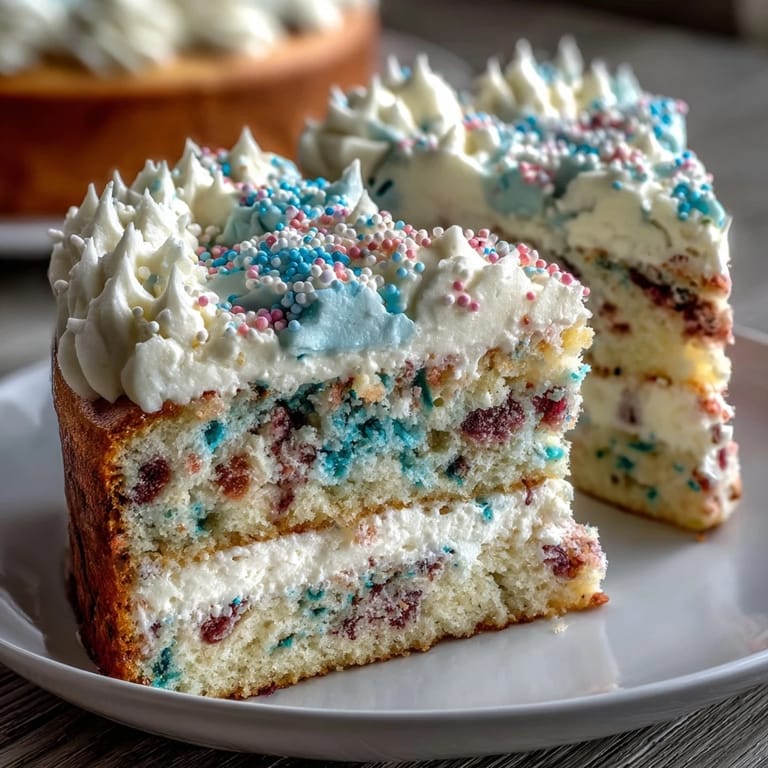
I brought this cake to a neighborhood potluck last April, and watching a five-year-old's eyes light up when she saw those soft pink and purple swirls—that's when I realized this wasn't just dessert. Her mom asked me to make it for her daughter's birthday two weeks later, and now it's become the cake I'm always asked to bring. There's something about a cake this cheerful that changes the whole mood of a table.
Ingredients
- All-purpose flour: The foundation of everything; make sure it's fresh and sifted if you have time, as old flour can make cakes dense.
- Baking powder and baking soda: Don't skip either one—they work together to give you that impossibly tender crumb and help the cake rise evenly.
- Unsalted butter and sugar: Cream these together generously; that aeration is what makes the cake light and fluffy, so don't rush this step.
- Room-temperature eggs: Cold eggs won't blend smoothly into the batter, which means a tougher cake—let them sit on the counter while you prep.
- Vanilla extract: Use pure vanilla; imitation will taste flat and chemical-y, especially in something this simple.
- Milk and sour cream: The sour cream adds moisture and a subtle tang that makes the vanilla flavor pop—don't substitute without thinking it through.
- Rainbow sprinkles (jimmies): Buy the good stuff; cheap sprinkles bleed color into the batter and turn everything murky brown, which I learned the hard way.
- Powdered sugar for buttercream: Sift it before using, or your frosting will have lumps that no amount of beating will fix.
- Food coloring gels: Gels are more concentrated than liquids, so they won't make your buttercream too thin—this matters more than you'd think.
Tired of Takeout? 🥡
Get 10 meals you can make faster than delivery arrives. Seriously.
One email. No spam. Unsubscribe anytime.
Instructions
- Set up your workspace:
- Preheat your oven to 350°F while you grease two 9-inch pans and line them with parchment—this ensures the cakes release cleanly and bake evenly. Having everything ready before you mix is the difference between a smooth baking day and a chaotic one.
- Combine your dry ingredients:
- Whisk together the flour, baking powder, baking soda, and salt in a bowl, making sure everything is evenly distributed. This step prevents lumps and ensures the leavening agents are spread throughout the batter.
- Cream butter and sugar:
- Beat them together for about three minutes until the mixture is pale, fluffy, and increased in volume—you're literally whipping air into it. This is where the cake gets its tender, light texture, so don't cut corners here.
- Add eggs one at a time:
- Beat well after each egg to incorporate it fully before adding the next one. This takes patience but creates a smooth, emulsified batter that won't curdle.
- Mix in vanilla:
- Stir it in after the last egg, making sure it's evenly distributed throughout. This small step ensures the vanilla flavor doesn't get lost.
- Create your wet mixture:
- Whisk the milk and sour cream together in a separate bowl until just combined—they don't need to be smooth, just mixed. Having this ready means you can alternate smoothly with the flour.
- Alternate dry and wet ingredients:
- Add flour, then milk, then flour, then milk, then flour—beginning and ending with flour keeps the batter emulsified. Mix on low speed and stop as soon as everything comes together; overmixing makes the cake tough.
- Fold in the sprinkles:
- Use a rubber spatula to gently fold them in so they stay suspended throughout rather than sinking to the bottom. This gentle touch keeps them evenly distributed.
- Divide and bake:
- Pour batter evenly into both pans, smooth the tops with a spatula, and bake for 28 to 32 minutes until a toothpick comes out clean. The cakes should smell incredible and spring back slightly when touched.
- Cool properly:
- Let them sit in the pans for ten minutes so the structure sets, then turn them onto a wire rack to cool completely. Cooling completely prevents the frosting from melting into the warm cake.
- Make the buttercream base:
- Beat the room-temperature butter for about two minutes until it's smooth and creamy, which is the foundation for fluffy frosting. Cold butter won't whip properly, so this step really matters.
- Add powdered sugar gradually:
- Mix it in on low speed until fully incorporated, then increase to high speed and beat for 2 to 3 minutes until the frosting becomes light and fluffy. This beating incorporates air that makes it whipped and delicious.
- Add milk, vanilla, and salt:
- These additions make the frosting spreadable and delicious; the salt might seem odd but it balances the sweetness perfectly.
- Divide and tint with color:
- Split the buttercream into four bowls and add just a tiny dab of gel coloring to each, stirring until you reach soft pastels. Start with less than you think you need; gel coloring is potent.
- Decorate and swirl:
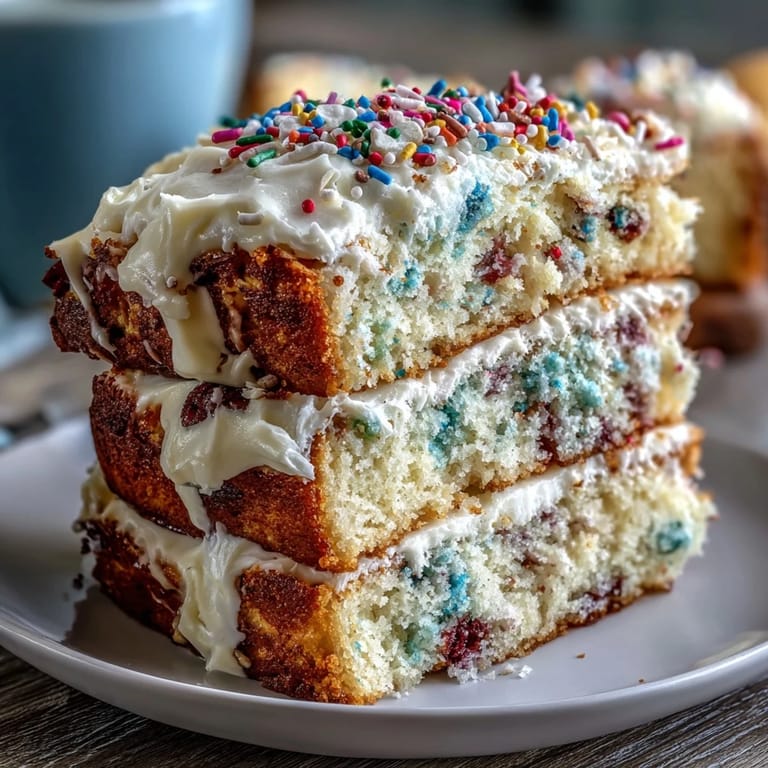
- Dollop or pipe the colored buttercream onto the cooled cake layers, then use a skewer or knife to swirl the colors together for a marbled effect. This is the moment where it becomes art instead of just cake.
 Save
Save There's a moment when you swirl those pastel colors together on top and it suddenly looks like spring in cake form. My friend once said this cake tasted like joy looked, and I haven't been able to think of it any other way since.
The Secret of Sour Cream
I used to make vanilla cakes with just milk, and they were fine—but switching to a sour cream and milk combination changed everything. The sour cream adds a subtle tang that somehow makes the vanilla taste more like real vanilla, brighter and more complex. It also keeps the cake incredibly moist for days, which is surprisingly useful when you've made it ahead for a party.
Why Buttercream Color Matters More Than You Think
The first time I tried to tint the buttercream with liquid food coloring, I ended up with frosting that was too thin and wouldn't hold its shape. I've since learned that gel coloring makes all the difference—it's concentrated enough that you use just a pinch, which keeps the frosting's texture perfect. Plus, pastel colors are so much more elegant than the bright, artificial shades you get from liquid coloring.
Timing and Temperature Tips
Room temperature ingredients might seem like a silly detail, but it's actually the most important thing in this whole recipe. Cold eggs won't emulsify into the butter, cold sour cream won't blend smoothly, and cold milk will shock the batter—all of which creates a dense, grainy cake instead of that fluffy, tender crumb you're after.
- Pull all your ingredients out of the fridge at least 30 minutes before you start baking; your future cake will thank you.
- If you forget and run short on time, you can speed things up by placing eggs and dairy in a bowl of warm water for 10 minutes.
- The baking time might vary depending on your oven, so check at 28 minutes and use a toothpick to test for doneness.
 Save
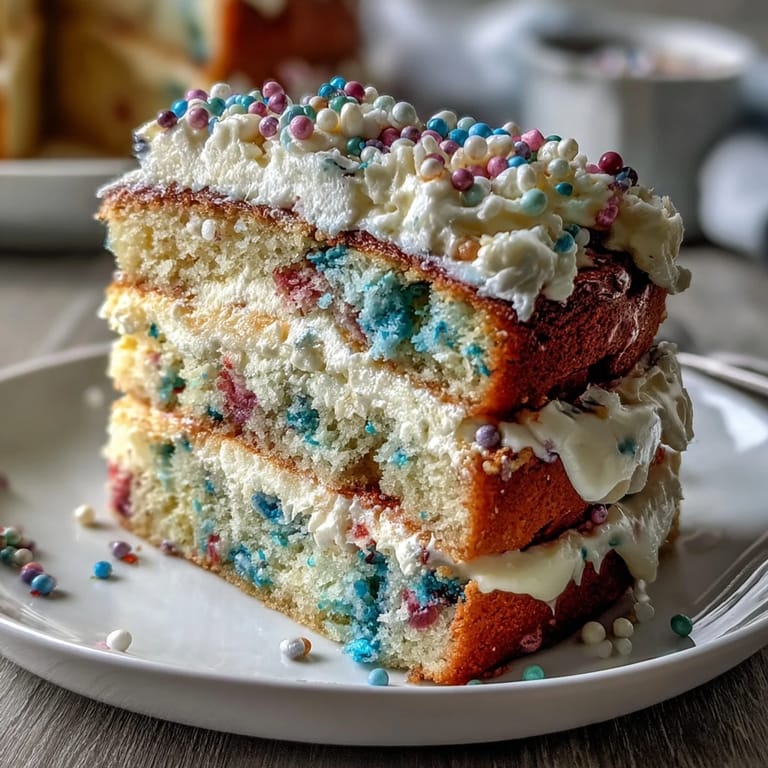
Save This cake exists in that perfect space between simple and special—something you can make on a random Tuesday but also confidently bring to a celebration. It's become my go-to reminder that sometimes the most joyful things are the easiest to make.
Recipe FAQs
- → What type of sprinkles work best for the cake?
Rainbow jimmies are preferred as they maintain color without bleeding during baking.
- → Can sour cream be substituted in the batter?
Yes, Greek yogurt can be used to maintain moisture and softness in the cake layers.
- → How do you achieve the pastel colors in the buttercream?
Divide the frosting into portions and tint each with a small amount of pastel food coloring gels for gentle hues.
- → What baking pans are recommended?
Two 9-inch round cake pans lined with parchment ensure even baking and easy removal.
- → How should the batter be combined for best texture?
Alternate adding flour mixture and milk-based ingredients gently to avoid overmixing, preserving a tender crumb.