 Save
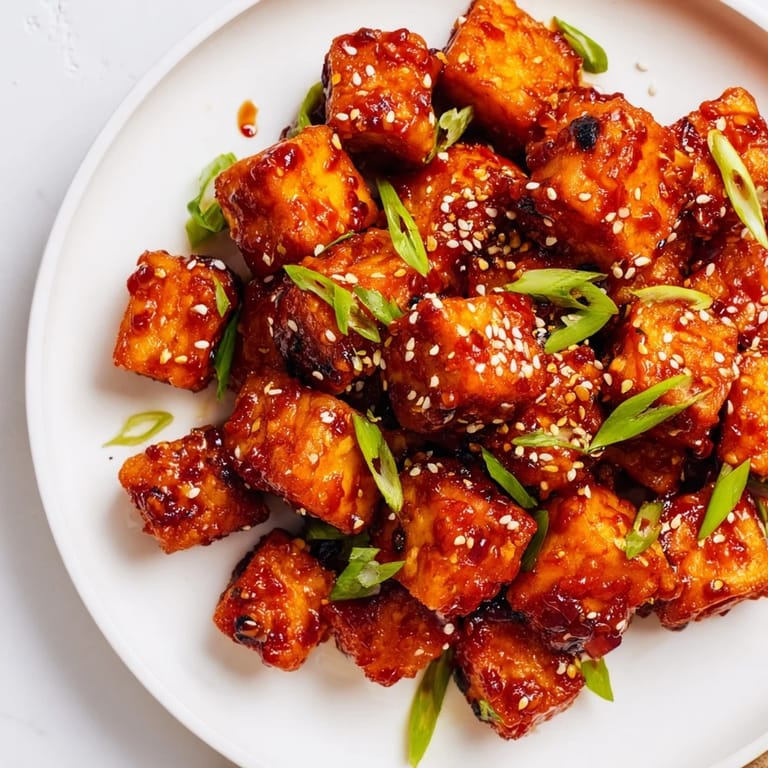
Save There's something magical about the moment when tofu stops being the ingredient people tolerate and becomes the star of the plate. I discovered this dish on a quiet weeknight when I was staring down a block of firm tofu and a jar of gochujang, wondering if they could possibly become something worth talking about. Twenty minutes later, the kitchen smelled like caramelized honey and chili, and I understood why this simple combination has become one of my most requested recipes.
I made this for a dinner party where one guest mentioned they'd been vegetarian for a year but always felt like they were missing out on "real food." When they came back for thirds and asked if there was a recipe, I knew I'd found something special. Now it's the dish friends specifically request, which still surprises me because it feels too simple to be this good.
Ingredients
- Firm tofu (400 g): Press it well—this is where the magic starts, as removing moisture lets the edges crisp up gorgeously instead of steaming.
- Cornstarch (2 tbsp): This creates that golden, slightly crunchy exterior that makes people do a double take.
- Neutral oil (2 tbsp): Keeps the heat steady and lets the tofu brown without competing flavors getting in the way.
- Gochujang (2 tbsp): The soul of this dish—funky, sweet, spicy all at once, and worth buying a good jar for.
- Honey (2 tbsp): Balances the heat and creates that signature sticky glaze that catches the light.
- Soy sauce (1 tbsp): Adds depth without overpowering; use a good quality one if you have it.
- Rice vinegar (1 tbsp): Cuts through richness and adds brightness that ties everything together.
- Sesame oil (1 tbsp): A small amount goes a long way, adding that toasted, nutty note.
- Garlic and ginger: These wake up the sauce and make it feel less one-note.
- Sesame seeds and green onions: The final flourish that turns a good dish into one that looks like you really cared.
Tired of Takeout? 🥡
Get 10 meals you can make faster than delivery arrives. Seriously.
One email. No spam. Unsubscribe anytime.
Instructions
- Press your tofu properly:
- Wrap the block in a clean kitchen towel and place it on a plate with something heavy on top for at least 10 minutes. You'll be shocked how much liquid comes out, and this step is what separates soggy results from crispy ones.
- Cut and coat:
- Slice into roughly 2 cm cubes, then toss them in a bowl with cornstarch and salt until every piece is lightly dusted. This coating is what gives you those golden edges.
- Get a good sear:
- Heat oil in a large skillet over medium-high heat until it shimmers slightly, then add the tofu. Let each side develop color—about 8 to 10 minutes total, turning occasionally—before pulling them out.
- Make the sauce:
- Whisk together gochujang, honey, soy sauce, rice vinegar, sesame oil, garlic, ginger, and water in a small bowl. Taste it straight—this is your flavor blueprint, and you'll know immediately if you want it spicier or sweeter.
- Simmer and coat:
- Pour the sauce into the same skillet and let it bubble gently for 2 to 3 minutes until it thickens slightly. Return the tofu and toss everything together for another 2 minutes until the sauce is glossy and clingy.
- Finish with care:
- Transfer to a serving plate and top with toasted sesame seeds and sliced green onions while everything is still warm, so the garnish clings to the sticky sauce.
 Save
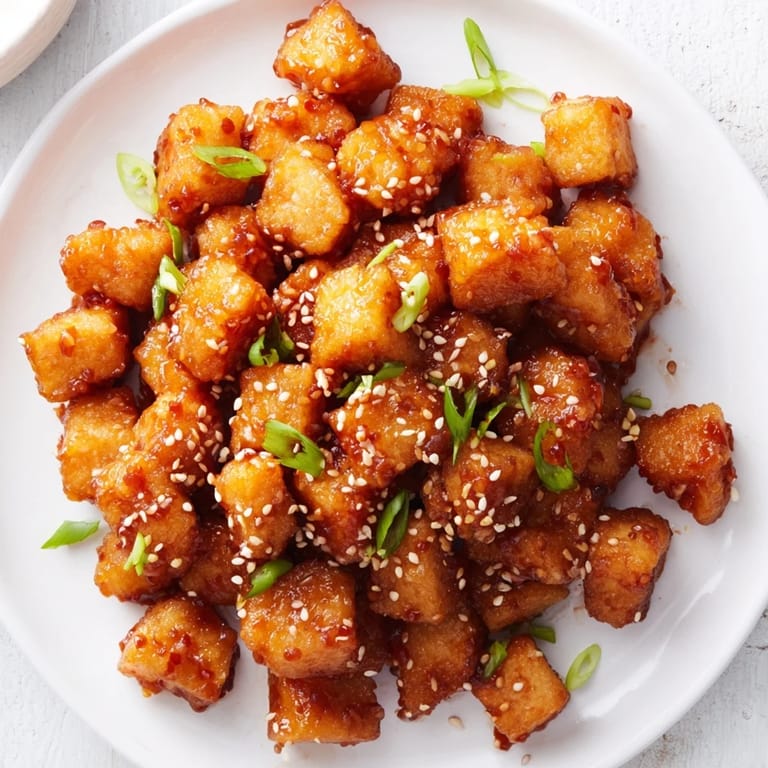
Save The first time someone told me this tasted like takeout they'd pay for, I realized that home cooking doesn't have to be complicated to be impressive. That moment stuck with me because it shifted how I think about cooking—sometimes the best meals are the ones that feel effortless even when they're actually thoughtfully made.
Why This Sauce Works
The genius of gochujang lies in how it straddles sweet and spicy without being one or the other. Adding honey doesn't make it dessert-like; instead, it mellows the intensity and creates a glaze that clings to the tofu rather than pooling on the plate. The rice vinegar and sesame oil are the quiet heroes—they add brightness and richness that prevent the sauce from feeling flat or one-dimensional, even though there are only seven main ingredients.
Serving Suggestions That Work
This dish is genuinely flexible without losing itself. Serve it over steamed white rice and watch people clean their bowls, or pile it into lettuce wraps for something lighter. I've even tossed it with quinoa and roasted vegetables when I wanted to feel virtuous, and it worked beautifully. The sauce is the anchor—however you serve it, the tofu stays the focus.
Storage and Keeping
Leftovers keep surprisingly well in an airtight container for three days, though I rarely have any. If you're meal prepping, store the crispy tofu and sauce separately and combine them when you're ready to eat so the tofu doesn't soften. You can also make the sauce ahead of time—it actually deepens in flavor overnight, which is a nice bonus if you're planning ahead.
- Reheat gently in a skillet over medium heat rather than the microwave to keep the texture from becoming rubbery.
- If the sauce has thickened too much in the fridge, add a splash of water and warm it through to restore the glaze.
- This freezes reasonably well for up to a month if you must, though texture is best eaten fresh.
 Save
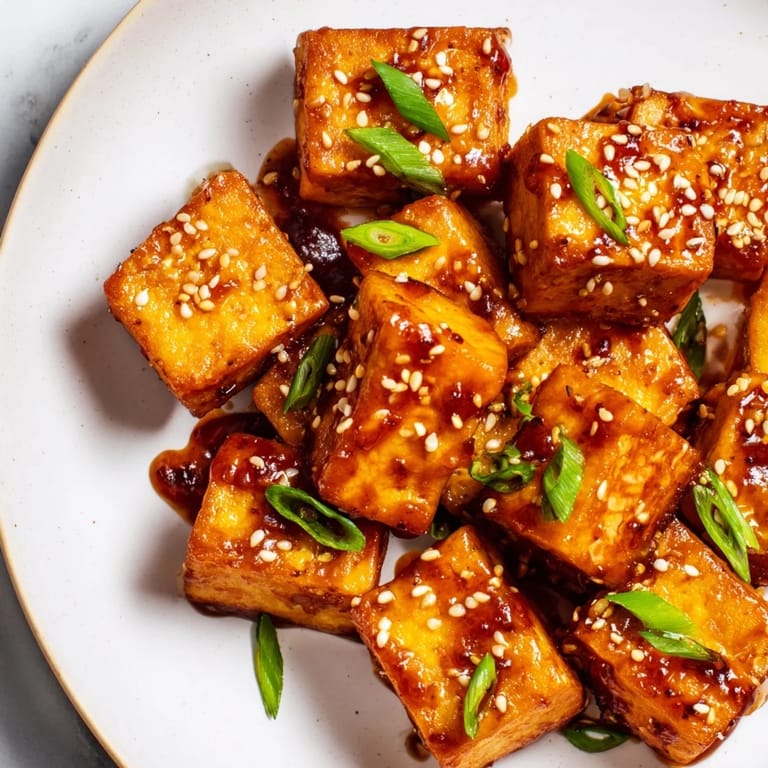
Save This is the kind of recipe that reminds you why cooking at home matters—not because it's complicated, but because it proves that simplicity and flavor aren't opposites. Make it once, and it becomes something you'll return to again and again.
Recipe FAQs
- → How to make tofu crispy?
Press tofu to remove moisture, coat cubes in cornstarch, then pan-fry in hot oil until golden on all sides.
- → What does gochujang add?
Gochujang adds a spicy, slightly sweet and fermented depth, complementing the honey for balanced flavor.
- → Can this be made vegan?
Yes, replace honey with maple syrup or agave nectar for a fully plant-based version without compromising sweetness.
- → What sides pair well?
Steamed rice, quinoa, or fresh lettuce wraps pair wonderfully, adding complementing textures and soaking up the glaze.
- → How to adjust spice level?
Modify the amount of gochujang to suit your preferred heat, starting with less and adding more gradually.