 Save
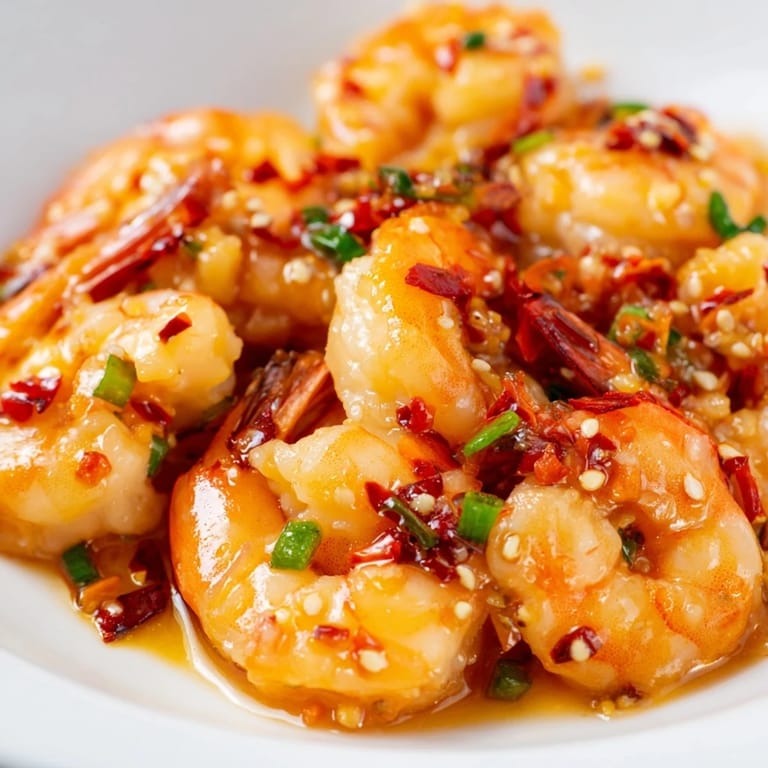
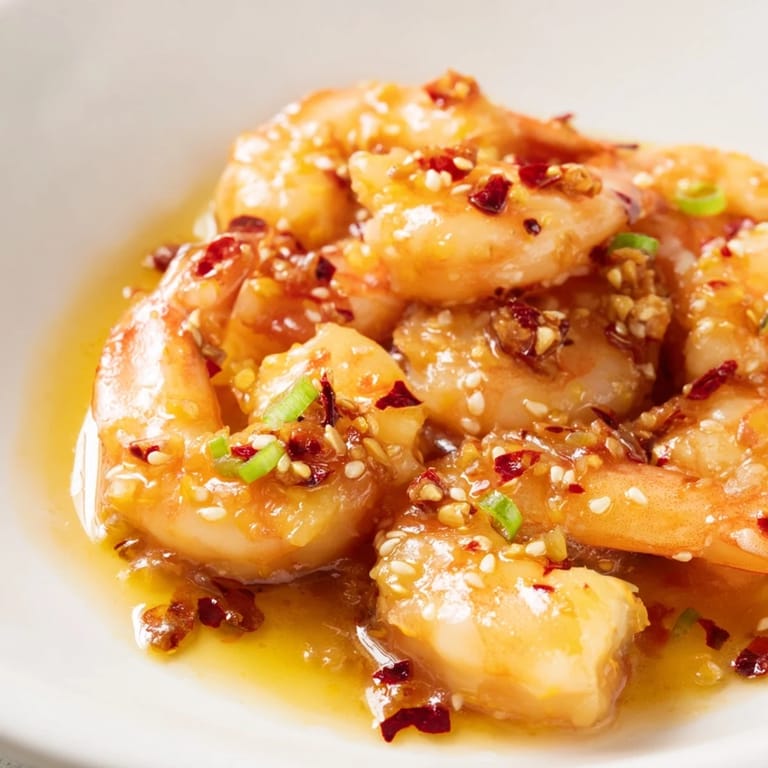
Save I wasn't planning to make anything special that night, just something quick after a long day. But I had shrimp in the fridge and a jar of gochugaru I'd been meaning to use, so I threw them together with butter and garlic. The smell that filled the kitchen stopped me in my tracks. It was sweet, garlicky, and just a little smoky from the chili flakes, and I knew I'd stumbled onto something I'd make over and over again.
I made this for a small dinner party once, and my friend who never cooks asked me to write down the recipe on the spot. She said it tasted like something from a restaurant, which made me laugh because I'd been standing at the stove in sweatpants. It's one of those dishes that looks and tastes like effort, but really it's just good ingredients and a hot pan.
Ingredients
- Large shrimp, peeled and deveined: The star of the dish, and the fresher they are, the sweeter they'll taste. Pat them really dry so they sear instead of steam.
- Unsalted butter: This is what makes the sauce silky and rich. I always use unsalted so I can control the saltiness with the soy sauce.
- Garlic, minced: Fresh garlic is everything here. The smell when it hits the butter is what makes the whole kitchen feel alive.
- Gochugaru (Korean chili flakes): Not as fiery as cayenne, more fruity and warm. It gives the dish its backbone without making you reach for water.
- Soy sauce: Adds depth and a little saltiness. If you need it gluten-free, just check the label.
- Honey: Balances the heat and rounds out the sauce with a subtle sweetness that clings to the shrimp.
- Sesame oil: Just a teaspoon, but it brings a nutty, toasted flavor that ties everything together.
- Chopped scallions: Fresh and bright, they add a little crunch and color at the end.
- Toasted sesame seeds: A small detail that makes the dish look finished and adds a gentle nuttiness.
- Lemon wedges (optional): A squeeze of lemon at the table cuts through the richness and brightens each bite.
Tired of Takeout? 🥡
Get 10 meals you can make faster than delivery arrives. Seriously.
One email. No spam. Unsubscribe anytime.
Instructions
- Dry the shrimp:
- Use paper towels to pat them completely dry. Any moisture left on them will keep them from getting that golden edge when they hit the pan.
- Melt the butter:
- Set your skillet over medium heat and let the butter melt slowly. You want it bubbling gently, not browning.
- Cook the garlic:
- Add the minced garlic and stir constantly for about a minute. It should smell amazing and turn just barely golden, but don't let it go brown or it'll taste bitter.
- Build the sauce:
- Stir in the gochugaru, soy sauce, honey, and sesame oil. Let it bubble for thirty seconds so the flavors start to meld together.
- Sear the shrimp:
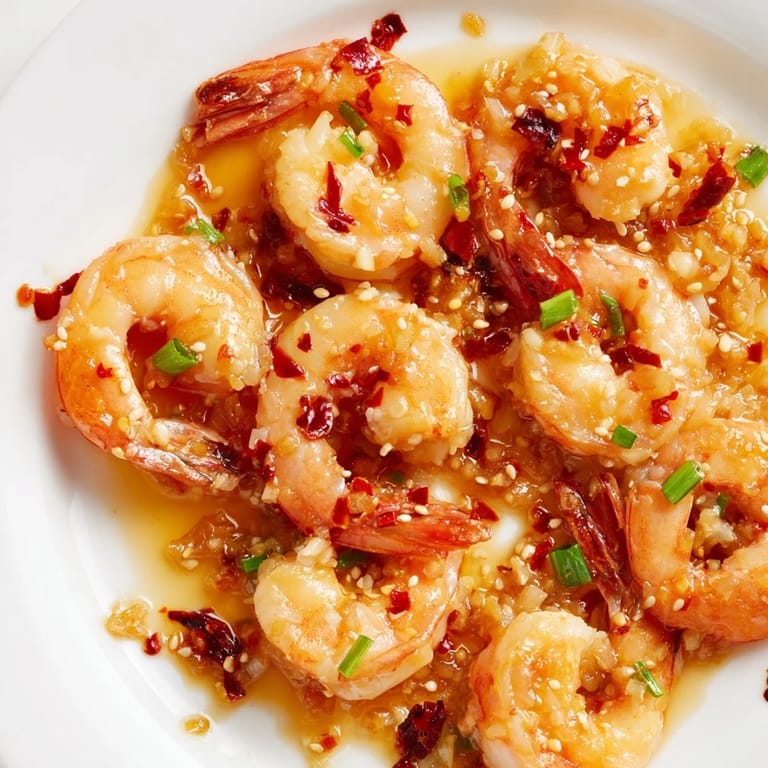
- Lay the shrimp in a single layer in the pan. Cook them for two to three minutes on each side until they turn pink and opaque, and you see a little golden color on the edges.
- Toss and coat:
- Give the pan a good toss so every shrimp gets coated in that glossy sauce. Then take it off the heat right away so they don't overcook.
- Plate and garnish:
- Transfer everything to a serving platter and sprinkle with scallions and sesame seeds. Add lemon wedges on the side if you like.
 Save
Save The first time I served this over steamed rice, my partner went back for seconds without saying a word. That's when I knew it was a keeper. It's become our go-to when we want something that feels special but doesn't require a trip to the store or an hour of prep.
Serving Suggestions
This works beautifully as an appetizer with toothpicks, or you can serve it over a bowl of steamed jasmine rice to soak up all that sauce. I've also tossed it with noodles when I wanted something more filling, and it held up perfectly. A crisp white wine like Sauvignon Blanc cuts through the richness and makes it feel like a real occasion.
Adjusting the Heat
If you like things spicier, add another tablespoon of gochugaru or a pinch of red pepper flakes. I've made it both ways, and the extra heat doesn't cover up the garlic or the sweetness, it just turns up the volume. If you're cooking for someone who's sensitive to spice, start with half the gochugaru and let them add more at the table.
Ingredient Swaps and Storage
You can swap the honey for brown sugar if that's what you have, and it'll still taste great. For a dairy-free version, use a good plant-based butter and it'll come out just as silky. Leftovers keep in the fridge for a day, but I always reheat them gently so the shrimp don't turn rubbery.
- Use dairy-free butter if you need it lactose-free, and the sauce will still be rich and glossy.
- Double the garlic if you're a garlic lover, it won't overpower the dish.
- Serve it with a side of pickled radish or cucumber to balance the richness.
 Save
Save This dish taught me that simple ingredients, when treated right, can feel like a celebration. I hope it becomes one of those recipes you reach for when you want something comforting, a little bold, and completely satisfying.
Recipe FAQs
- → What shrimp size works best?
Large, peeled and deveined shrimp are ideal for even cooking and texture.
- → Can I adjust the spiciness level?
Yes, increase or decrease Korean chili flakes to suit your preferred heat.
- → What can I use instead of honey?
Brown sugar makes a great substitute, adding a similar sweetness and depth.
- → How do I ensure garlic doesn’t burn?
Cook minced garlic on medium heat just until fragrant, about one minute, stirring constantly.
- → What sides pair well with this dish?
Steamed rice, noodles, or crisp white wine complement the bold flavors nicely.